eXtensions - Friday 29 May 2026
By Graham K. Rogers
In their final year, students at Mahidol University's Faculty of Engineering are required to develop capstone projects as a way to demonstrate the skills they have learned. Because Salaya is surrounded by agricultural land, some projects are aimed at helping local farmers. This year, three Electrical Engineering groups developed different solutions to help those cultivating of Wolffia globosa: duckweed.
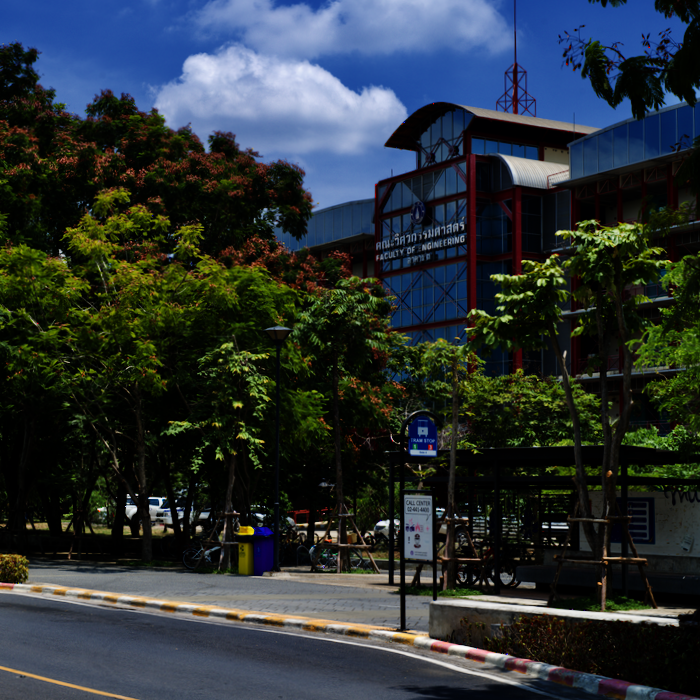
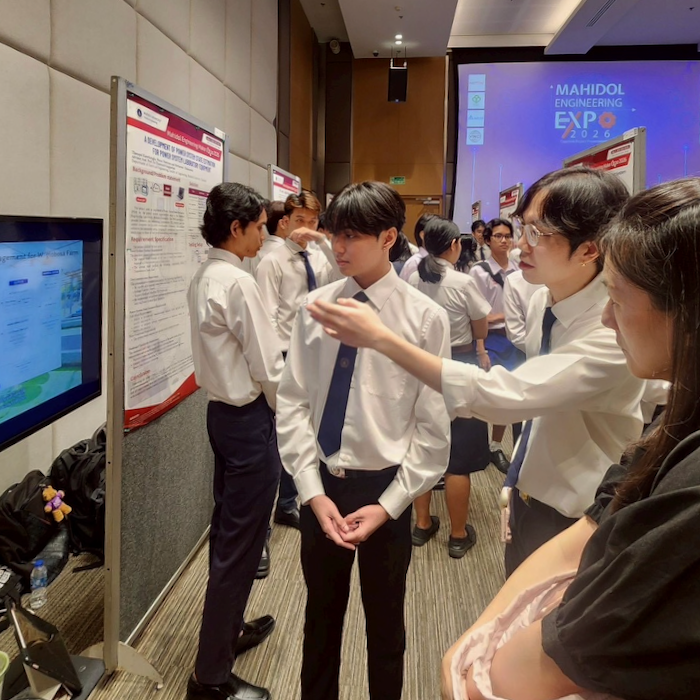
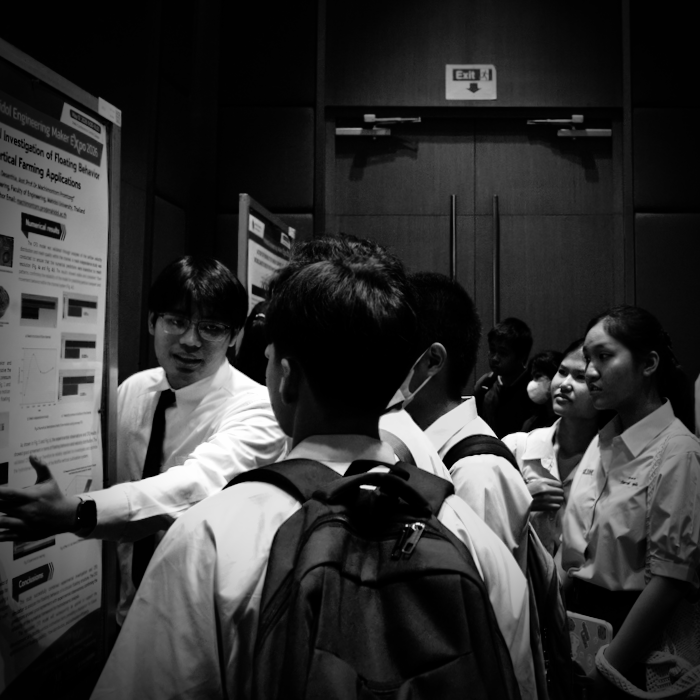
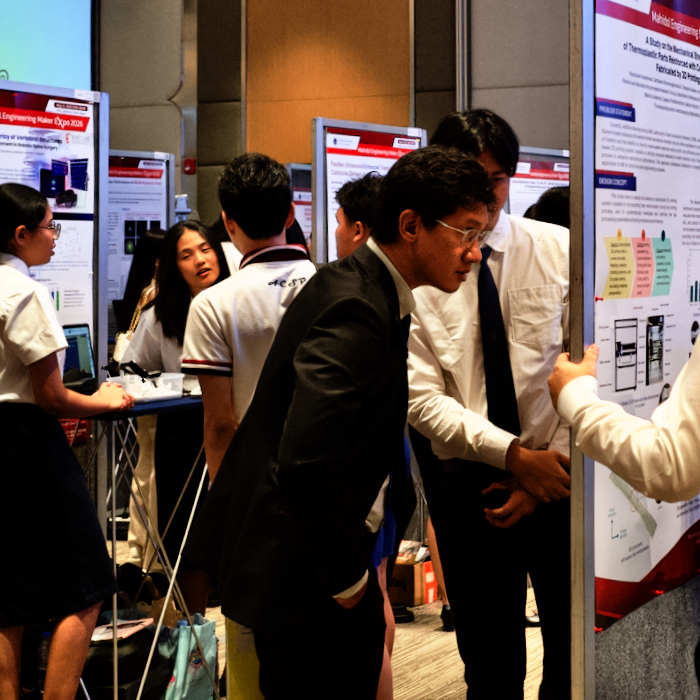
The Faculty of Engineering, Mahidol University recently held its Maker Expo event for 2026 in the PCH conference center at its Salaya campus. Once the students have finished their project work and presented the results to department experts, the groups prepare AO (84.1 x 118.9 cms) posters of their projects. The limited size of the posters allows some text as well as a few diagrams and images. There was work from some 94 groups this year.
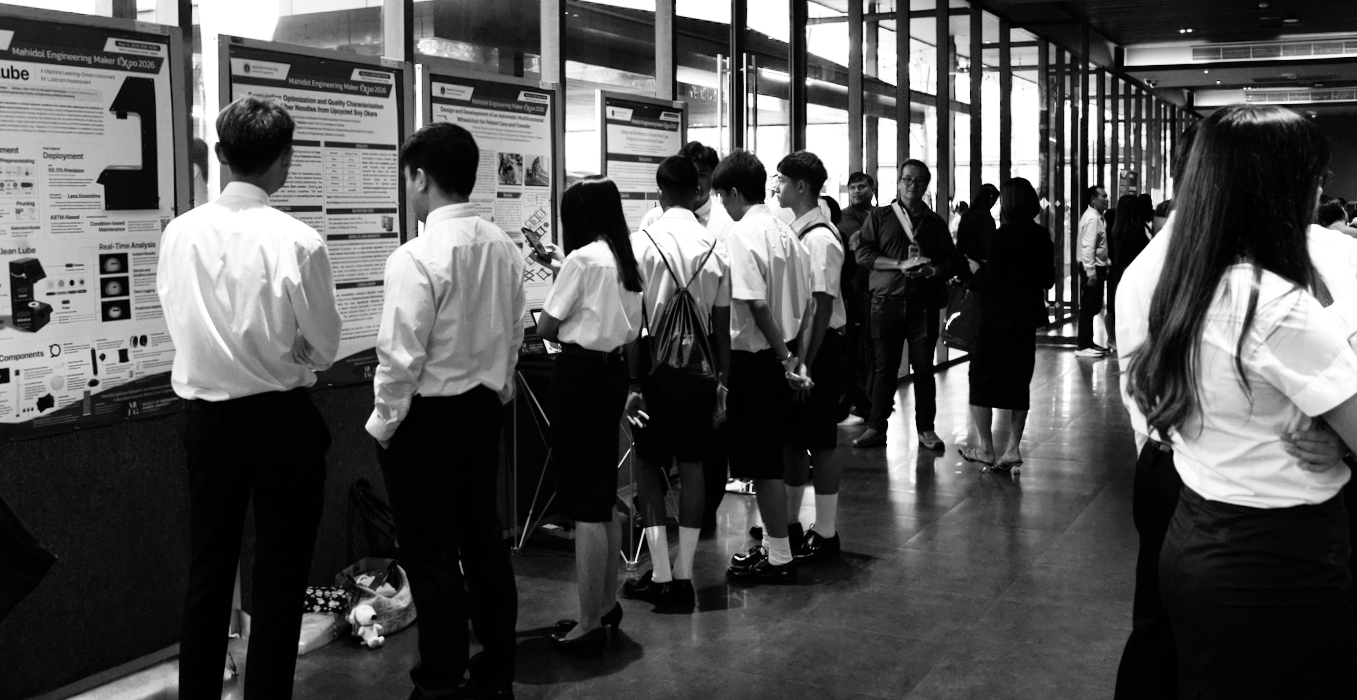
I am attracted by certain ideas when I walk around the event. These are not always the winning projects. I was a member of the Electrical Engineering Department for several years and still help Year 3 students with the writing of their project proposals. In the last few years, liaising with the Engineering for Social Responsibility group at the Faculty, a number of projects have focused on the agricultural areas near the campus, like Klong Ton, about 5 kilometers to the north, and also on areas closer to Nakhon Chaisri.
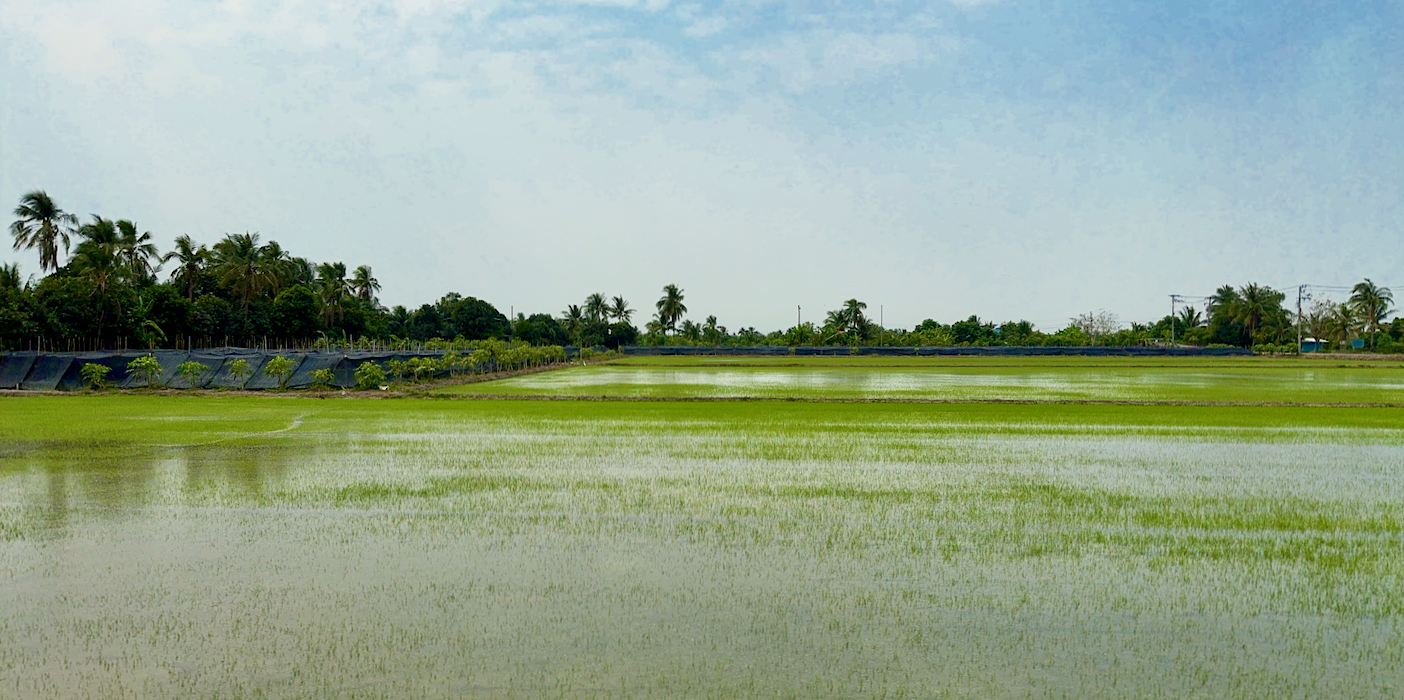
As well as traditional crops like rice and cassava, much fruit is grown in the area. There is also aquaculture: not just shrimp or fish, but other less well-known crops like Wolffia globosa. This is also known as duckweed: a plant that is native to South-east Asia. The fronds are tiny (less than 1mm), but high in nutrients. Often used as a fertilizer or animal feed, as cultural habits change, it is now recognized as a dietary supplement, with high protein and dietary fiber contents (On-Nom, N.et al). It has been used in cooking, especially in the North-east of Thailand (Isaan) for many years.
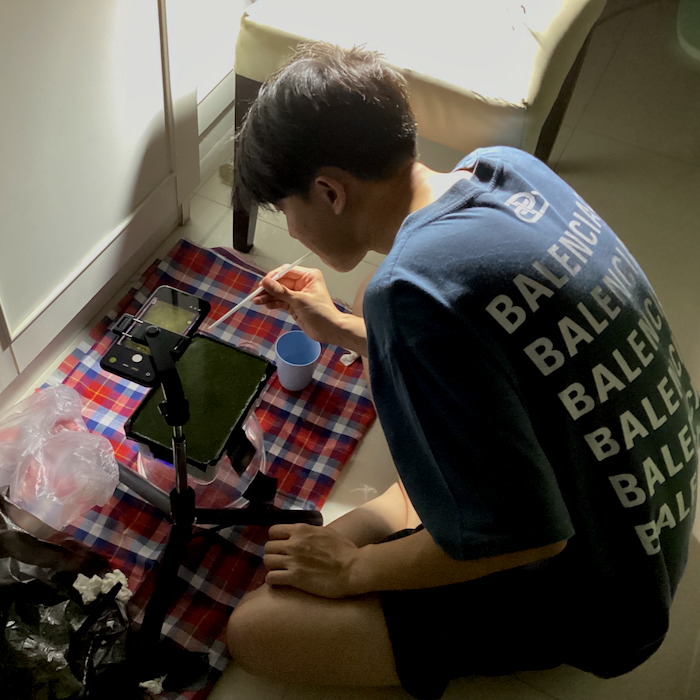
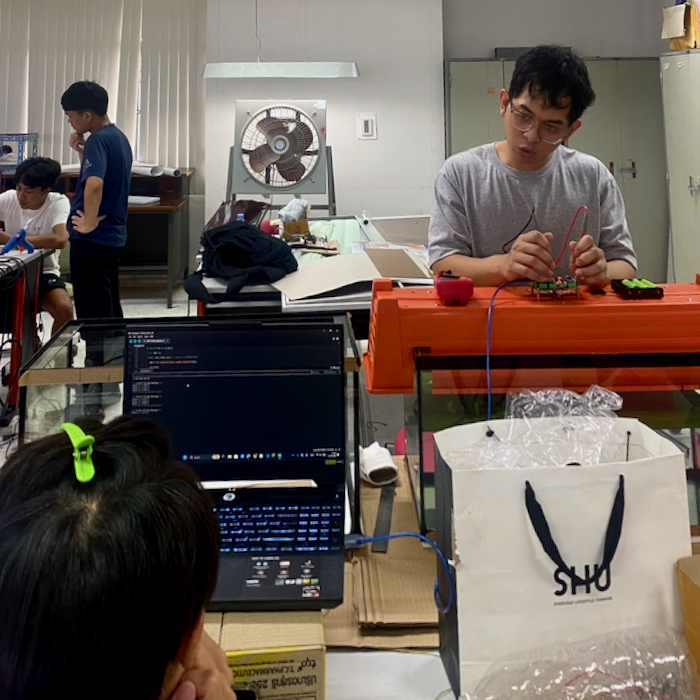
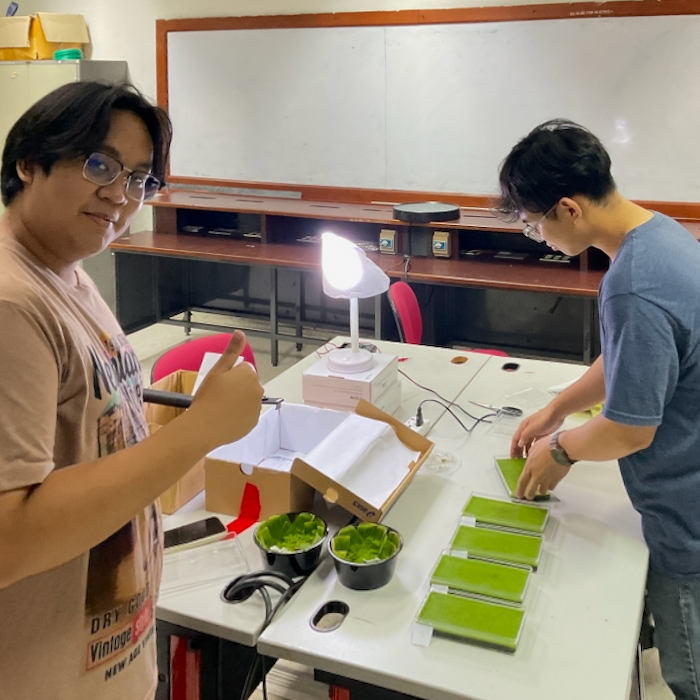
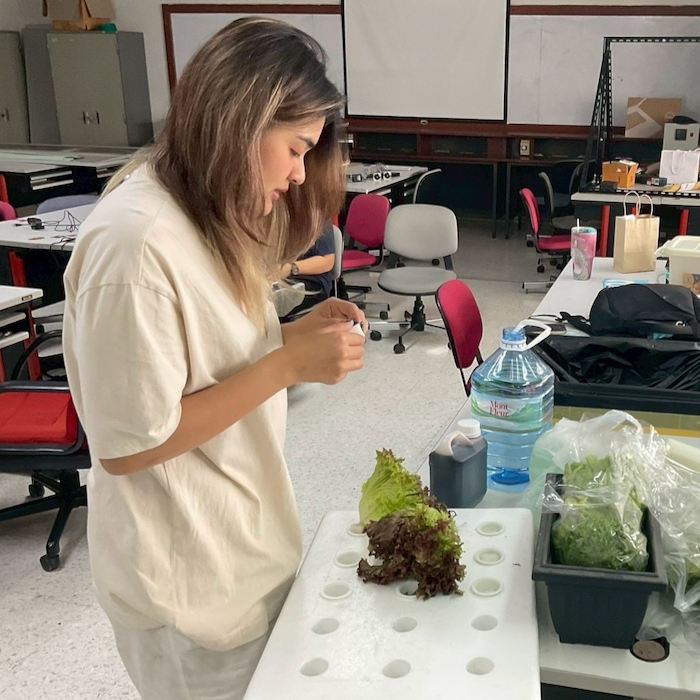
Three groups of students from the Faculty's Electrical Engineering Department, carried out projects to assist local farmers of Wolffia globosa to improve yields. One group examined a smart weight analysis system for Wolffia; a second group developed a conductivity sensor for monitoring nutrients in precision farming of Wolffia; while the third group looked at a system for maintaining water levels in the ponds.
|
|
|
|
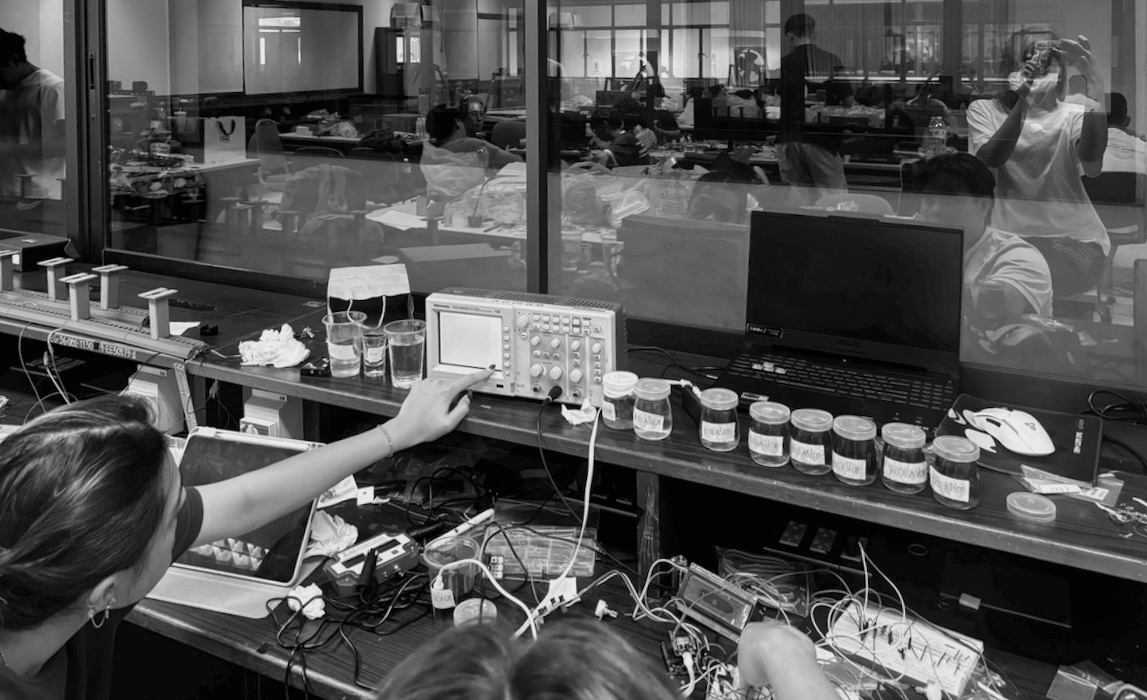
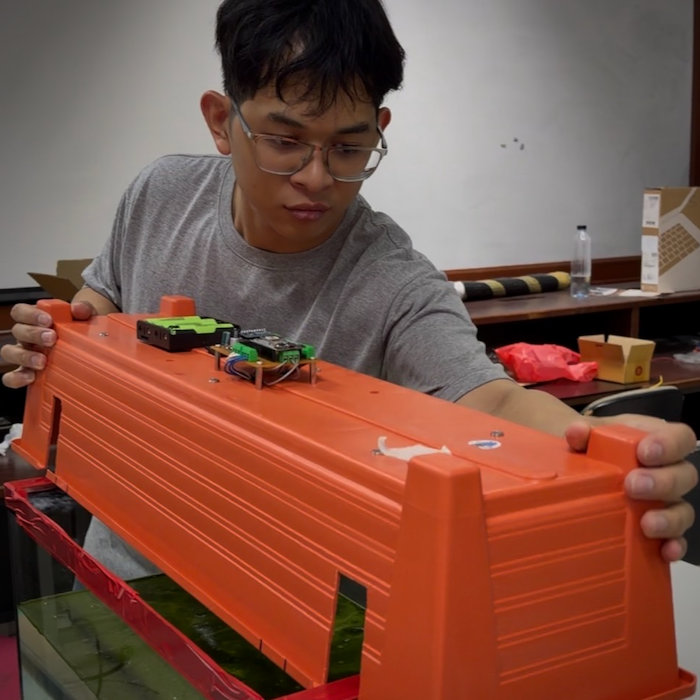
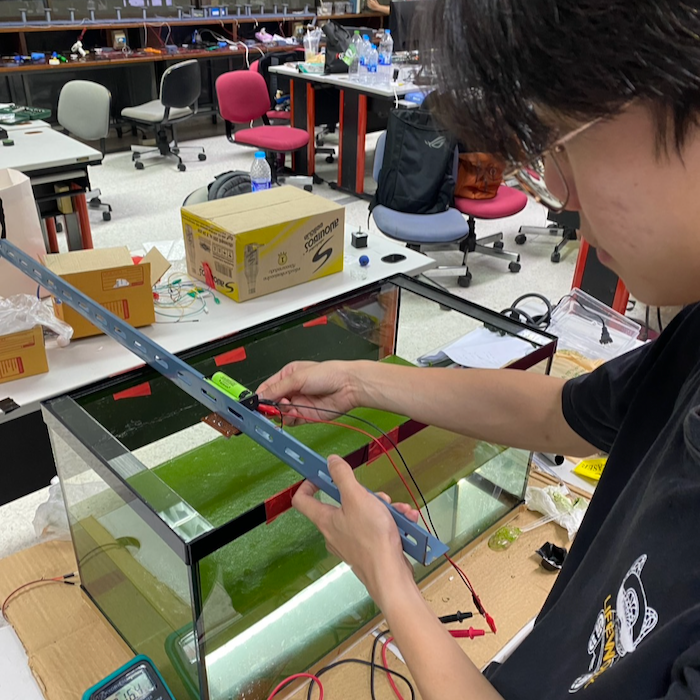
The group installed IR sensors, 15 cms above the water surface. These sensors collect any IR light reflected by the Wolffia. The intensity of the reflected light can be correlated with the Wolffia biomass. The voltage of the photodiodes was calibrated to estimate the total weight.
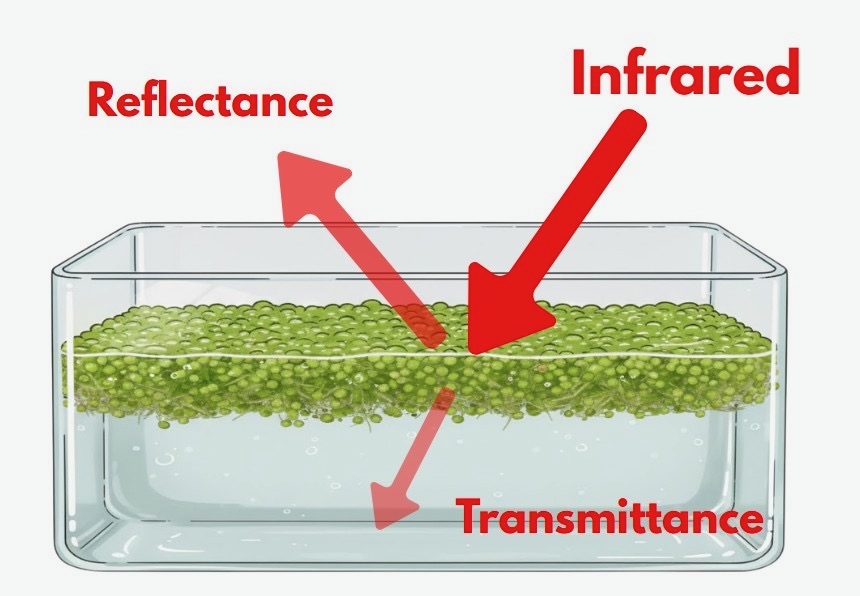
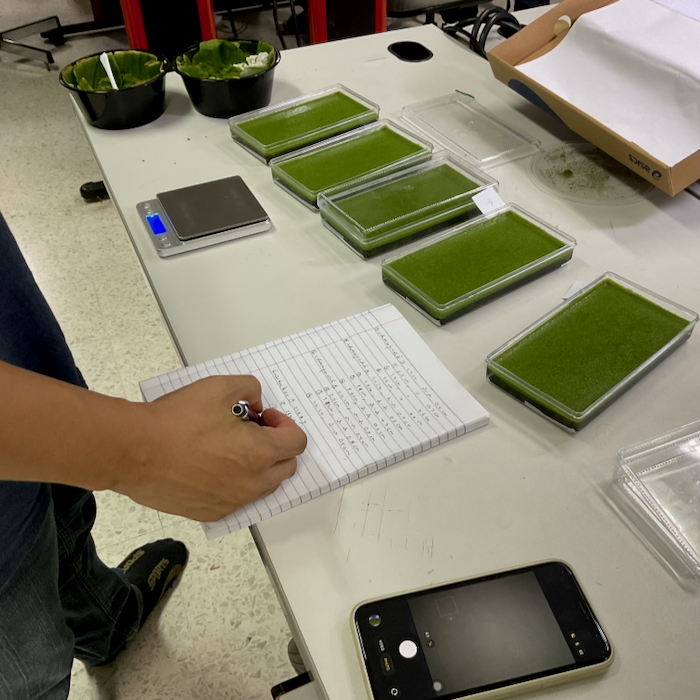
They plotted the output voltage from three sensors to demonstrate a characteristic curve. This illustrated the relationship between the output voltage from the 3 sensors and the actual weight. To confirm the accuracy of their solution, they weighed samples and plotted the results on a graph to indicate the relationship between IR detection and manual weighing.
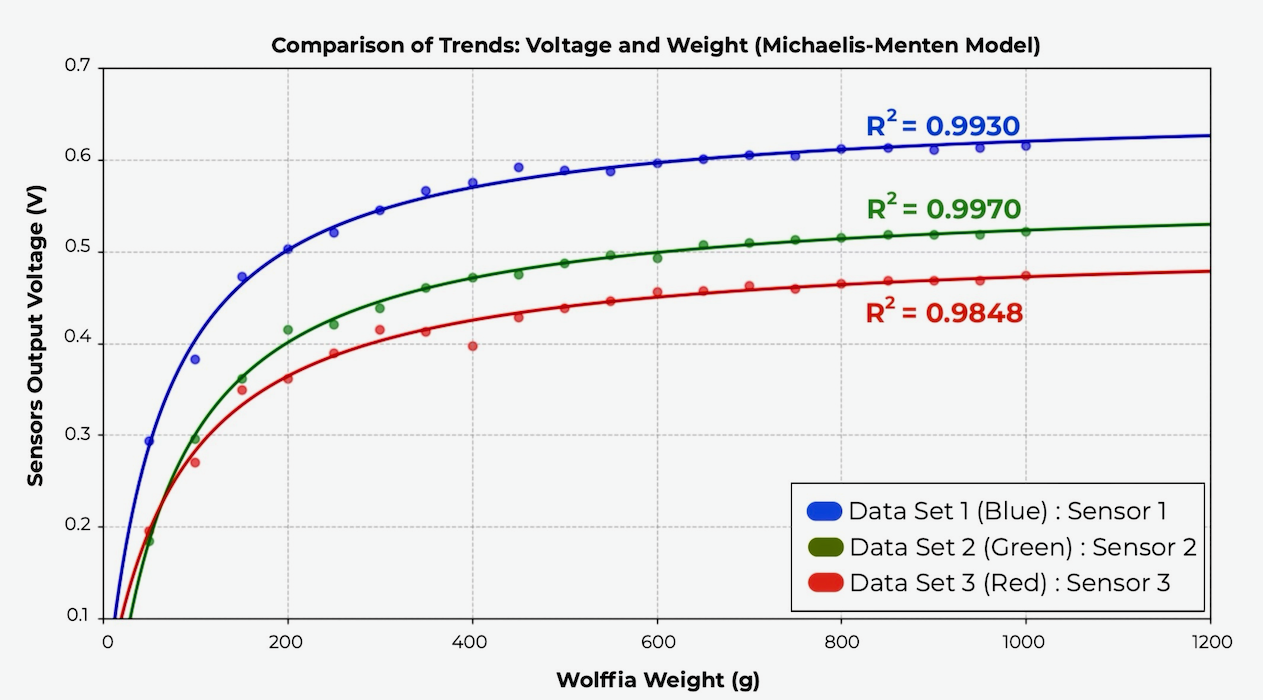
The system was able to identify the correlation between voltage and weight. The students found this follows a Michaelis-Menten saturation trend: rising sharply at low densities before reaching a plateau. They confirmed that the model converts these signals into weight. The average error is within 10%, proving the reliability of the system.
|
|
|
|
|
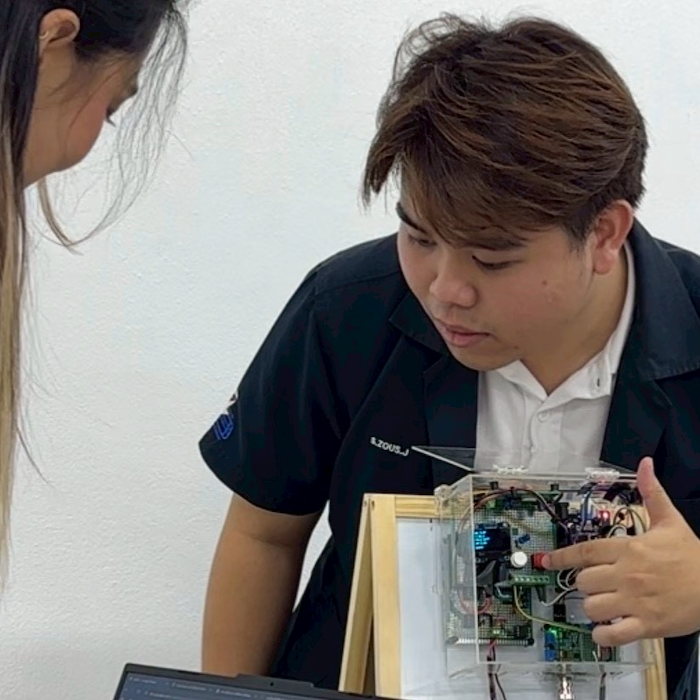
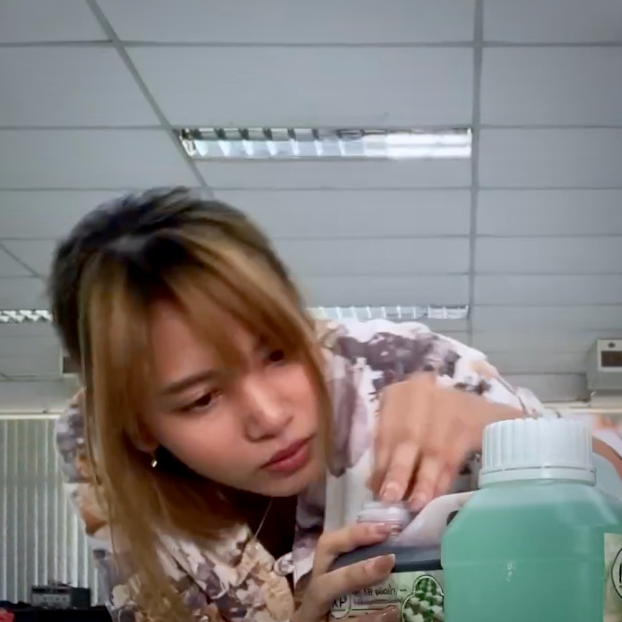
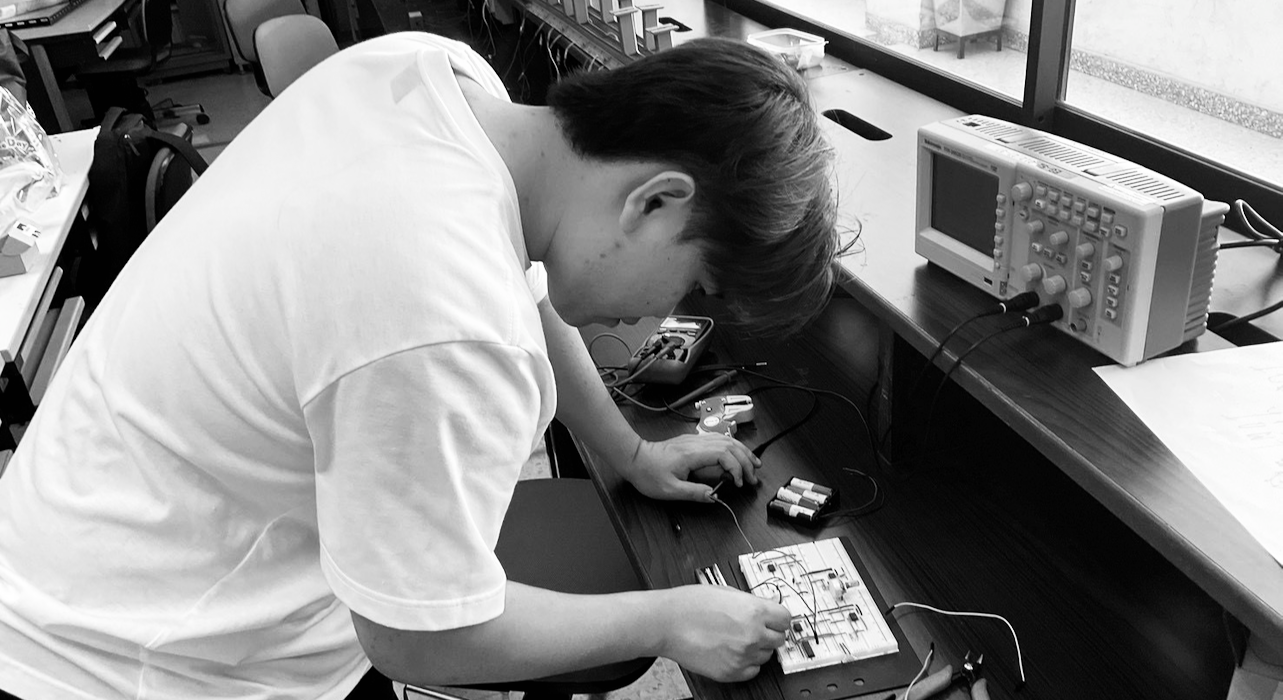
A student group of Kanlayanasap Buayom, Suchawadee Phomsanthia and Suthiphat Jaknarai developed a smart sensor system with stable, continuous monitoring and online calibration. The system reduces recalibration and maintenance time. The group advisor was Dr. Phattanard Phattanasri.
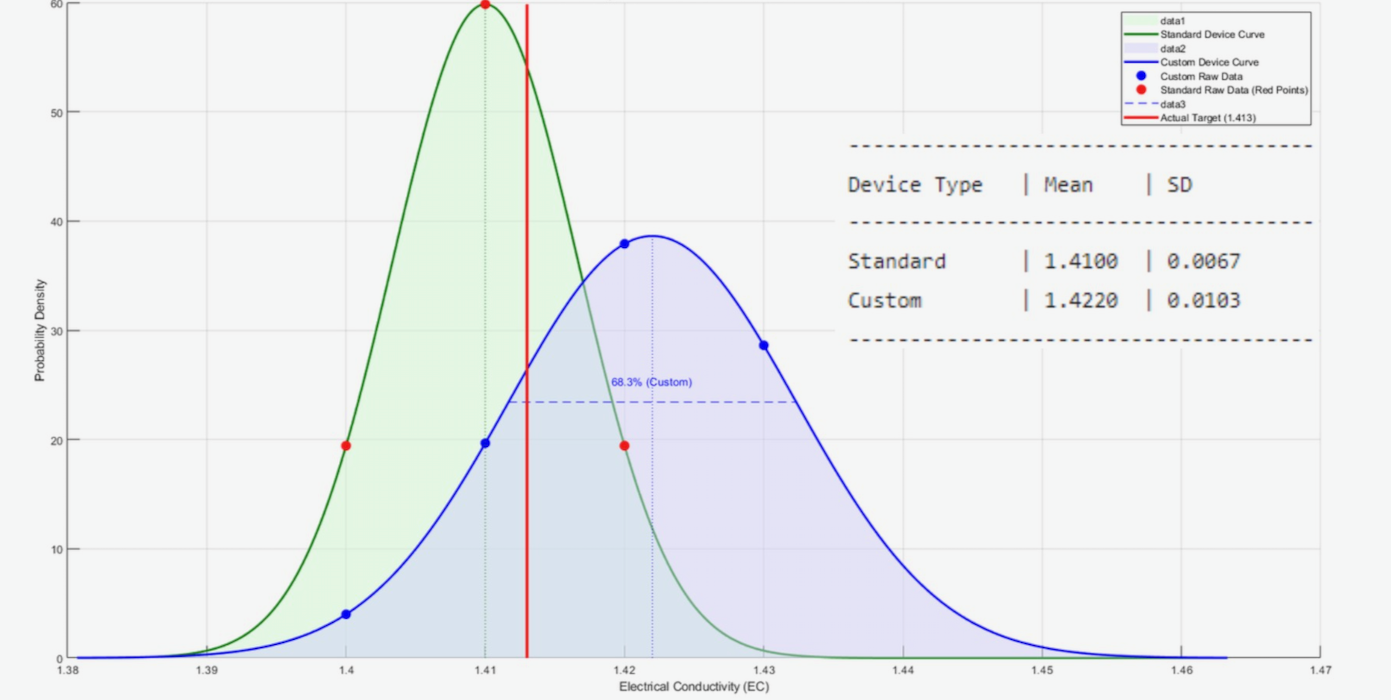
The design of the system reduced electrode polarization using sine wave signals for stable, long-term sensing. The device had buttons that could be pressed for instant calibration. Smart features of the system included automated alerts for sensor maintenance, and real-time adjustments using algorithms that allowed precise temperature readings.
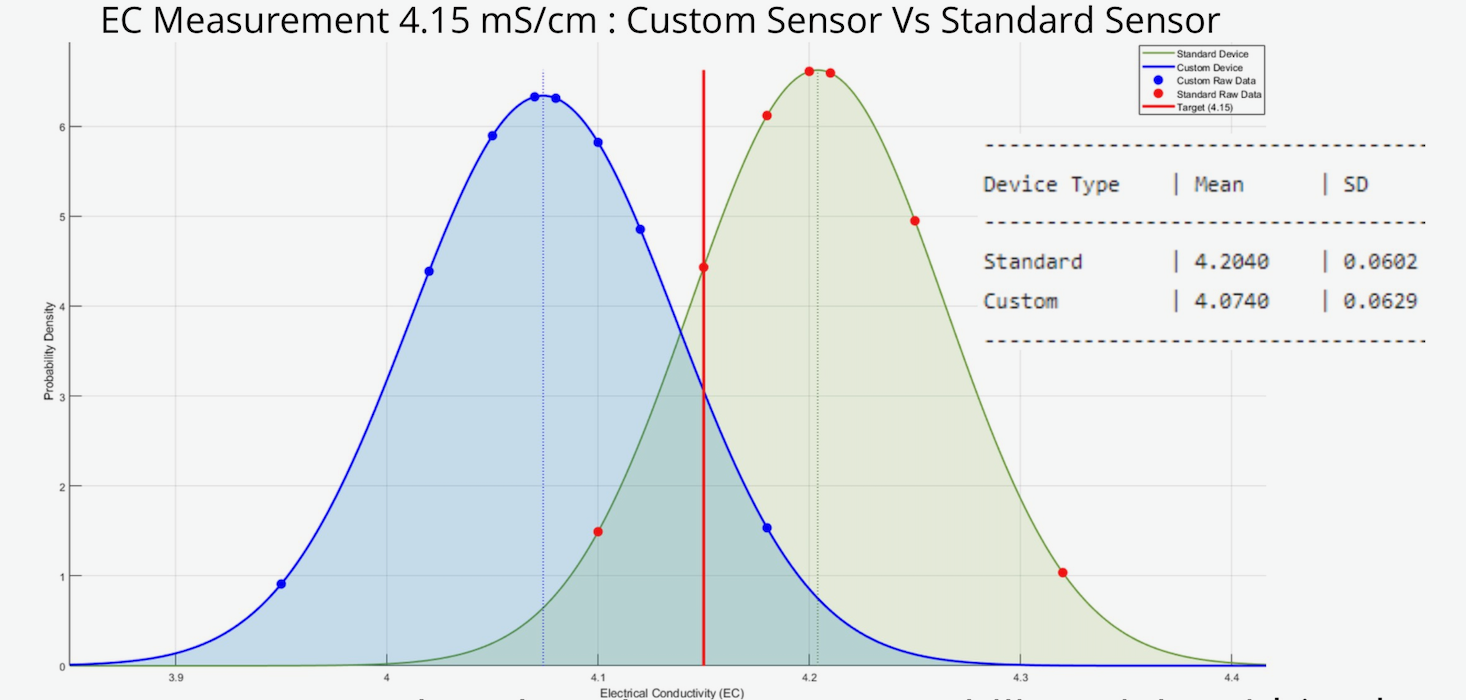
The installation cuts fertilizer waste and extends sensor lifespan, to reduce costs. It provides an affordable, high-precision IoT solution that is scalable for local and industrial farms. Chemical runoff is prevented by accurate nutrient dosing, which promotes sustainable agriculture. Farm workers are able to manage the advanced technology with a device built for tough conditions in the field.
|
|
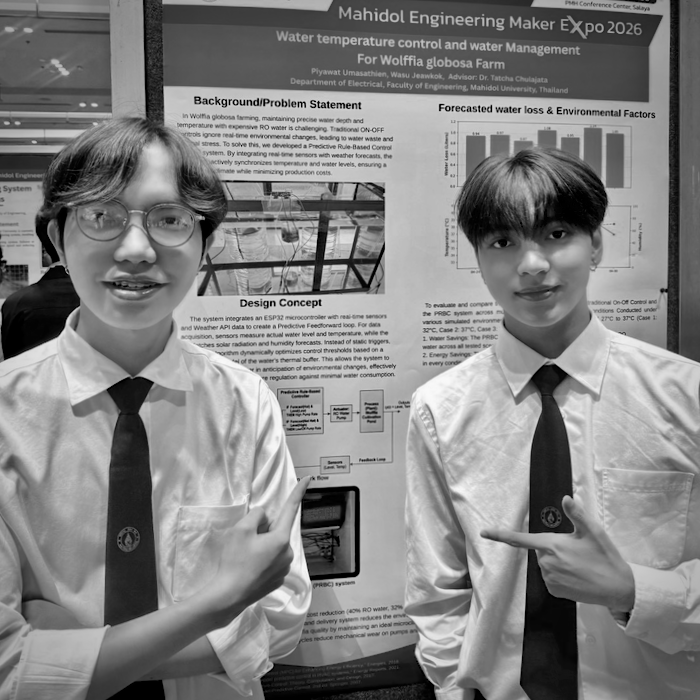
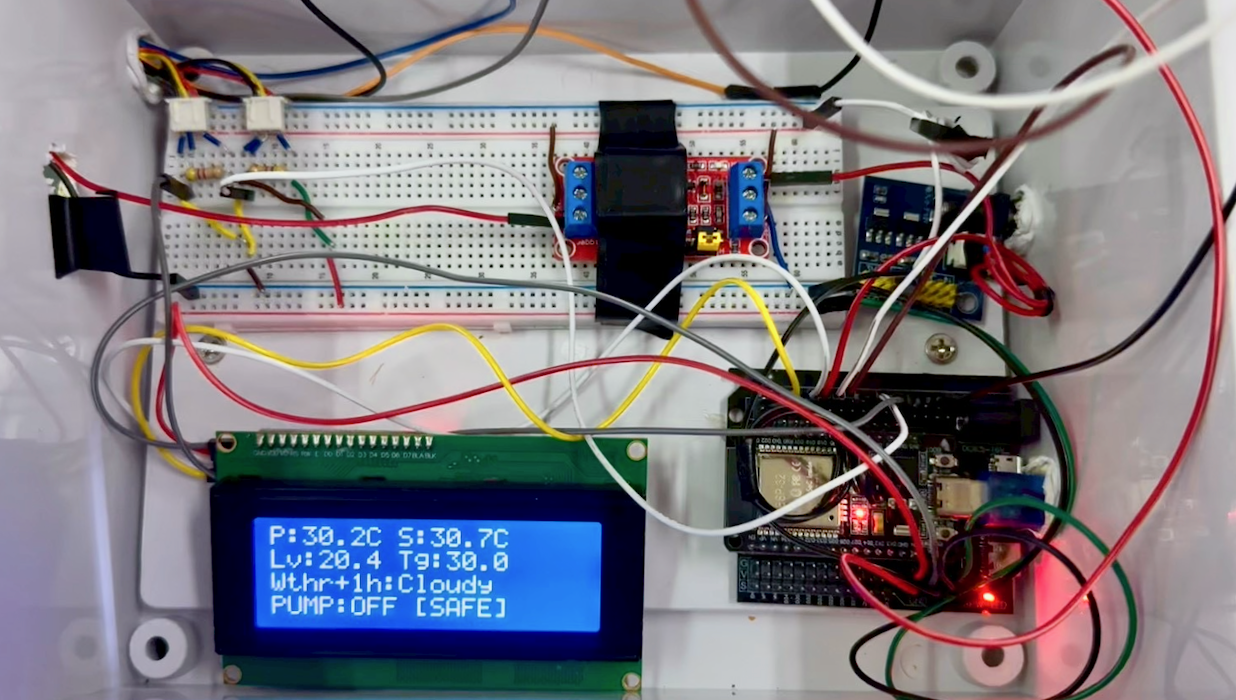
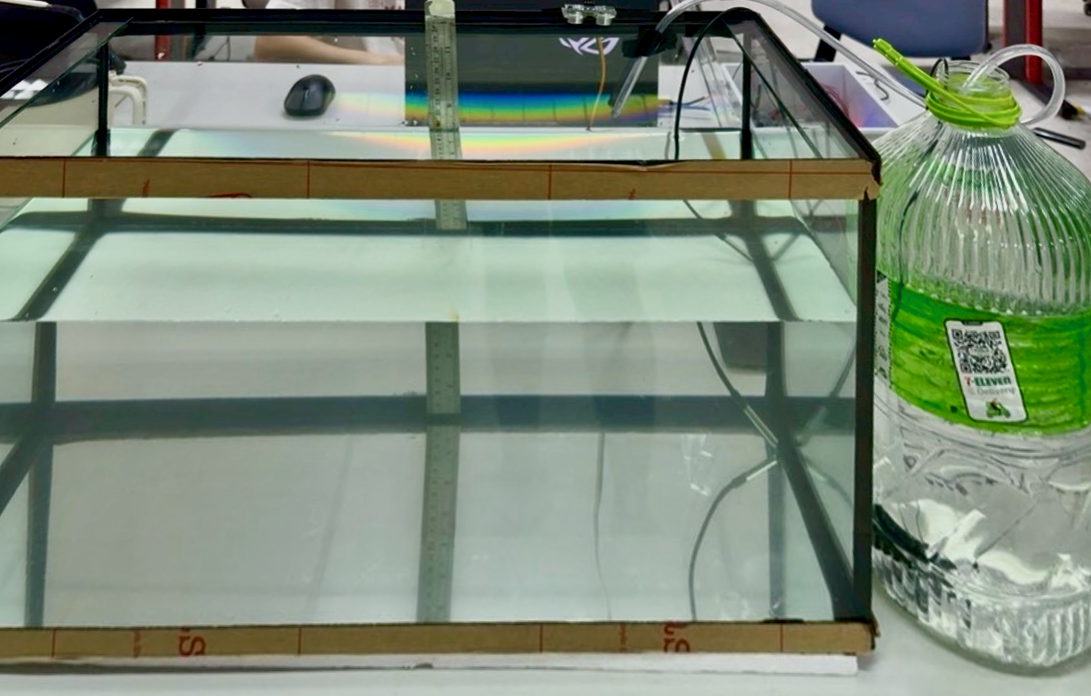
Two students - Piyawat Umasathien, Wasu Jeawkok - developed a project using sensors that monitor water levels and integrate with weather API data for a predictive feed-forward loop: a recurring circuit module that carries out key functions (Mangan & Ulon, PNAS). The Predictive Rule-Based Control system (PRBC) synchronizes temperature and water levels. This stabilizes the pond microclimate. The students' advisor was Dr. Tatcha Chulajata.
|
|
The sensors installed measure the water levels. This is used with the predicted weather data: solar radiation and humidity forecasts. An algorithm optimizes control and instead of the manual input, will pre-fill or withhold water using an electrical pump depending on anticipated environmental changes. This balances temperature regulation with water consumption.
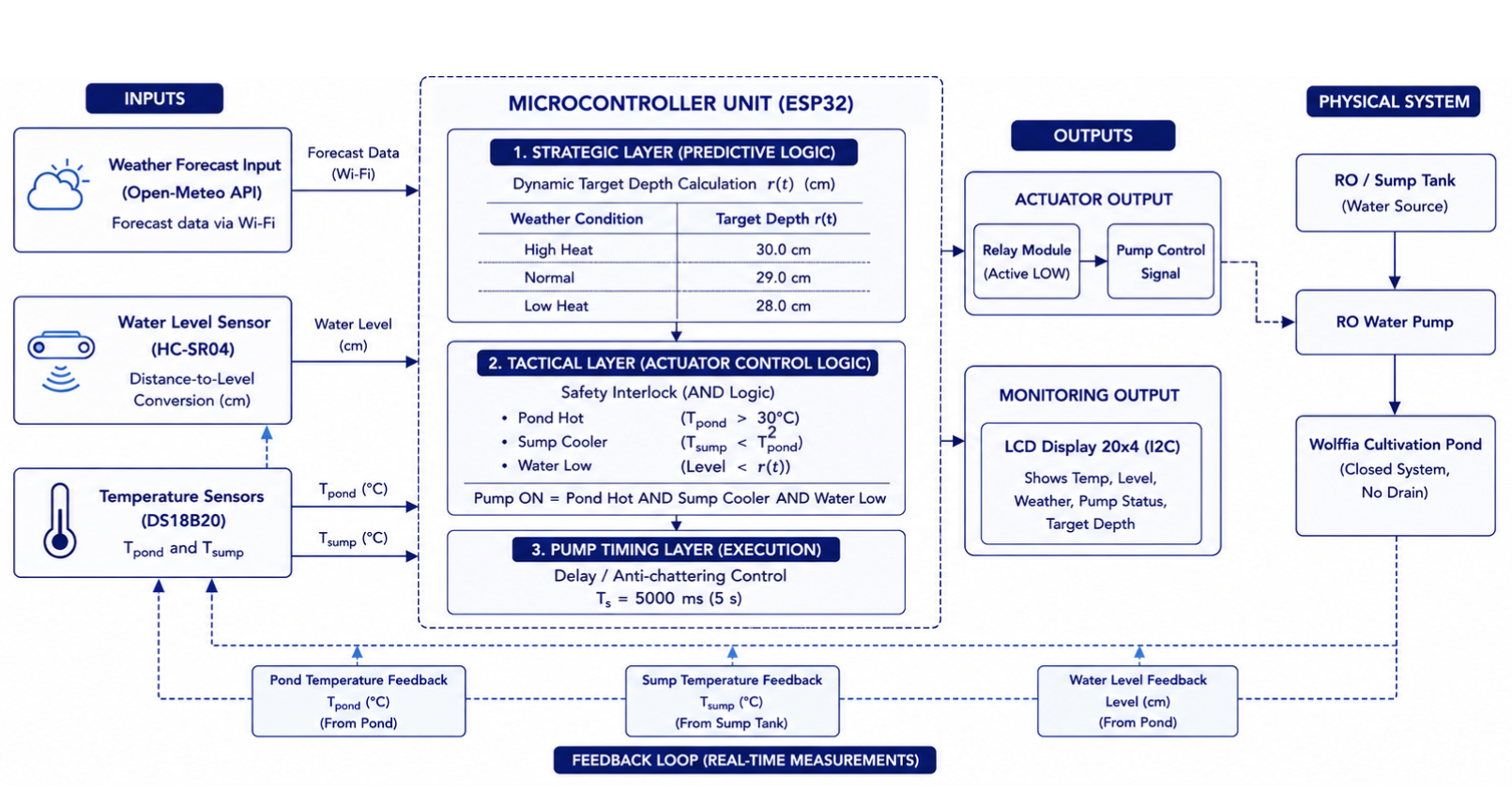
The predictive rule-based control system synchronizes water level and temperature regulation. There was a reduction of 40% in water consumption and energy savings of 32%. The elimination of over-filling and the ability to anticipate thermal loads confirm that PRBC offers an efficient but sustainable approach for aquaculture.
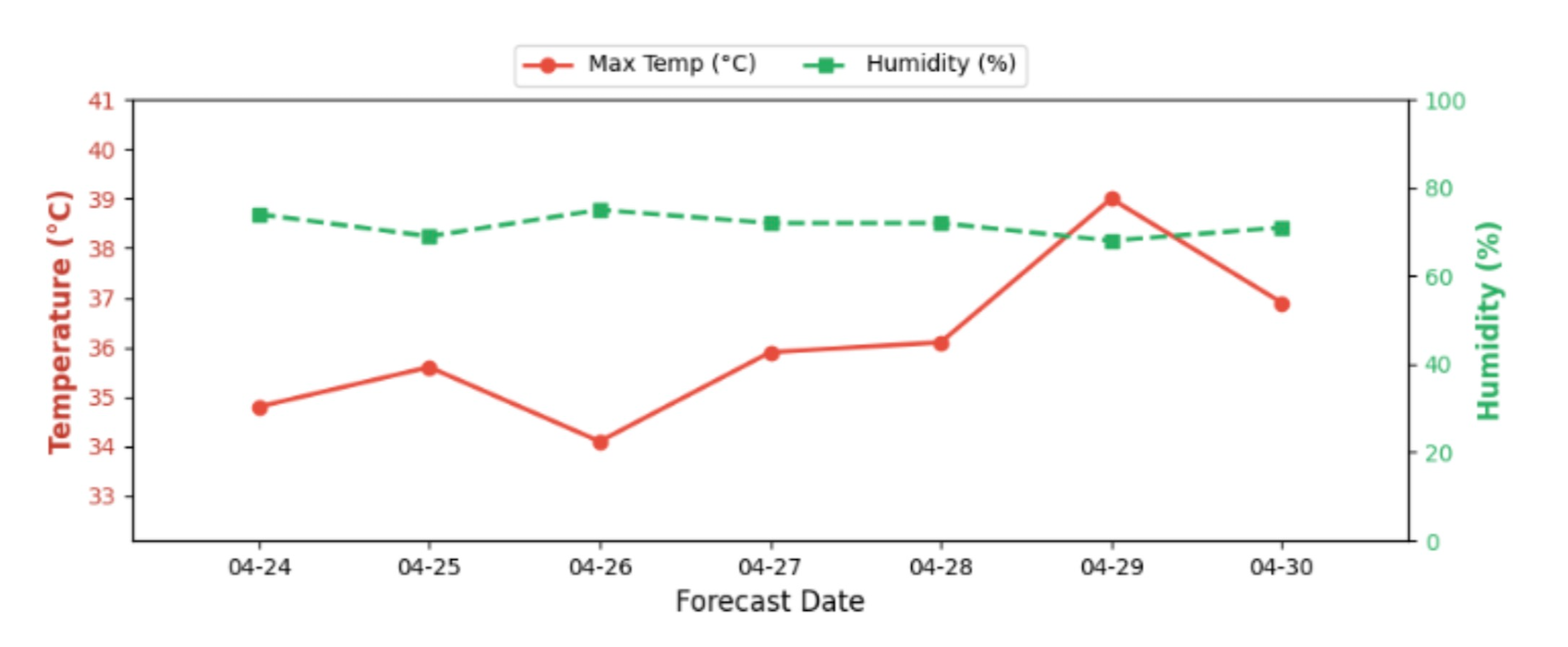
It is of immense value for engineering students to respond to real world problems, no matter how large or small. With the localized nature of these projects, there is also the ability for them to come into contact with local residents and help improve the agriculture of the area. The capstone projects are designed so that the students are able to make full and practical use of the skills they have learned while studying at Mahidol Engineering.
|
|
Mahidol Engineering Capstone Projects: Study and Design of Canal System in The Mae Kuang Udom Thara Operation and Maintenance Project
Graham K. Rogers teaches at the Faculty of Engineering, Mahidol University in Thailand. He wrote in the Bangkok Post, Database supplement on IT subjects. For the last seven years of Database he wrote a column on Apple and Macs. After 3 years writing a column in the Life supplement, he is now no longer associated with the Bangkok Post. He can be followed on X (@extensions_th). The RSS feed for the articles is http://www.extensions.in.th/ext_link.xml - copy and paste into your feed reader. No AI was used in writing this item.

For further information, e-mail to
Back to eXtensions
Back to Home Page