eXtensions - Monday 8 June 2026
By Graham K. Rogers
With recent updates, we can look forward to WWDC where we are certain to hear news about the next versions of Apple's operating systems, and more. The MacBook Neo has seen unusual success and much publicity, but this is one device among many from Apple that are good from the moment they are announced. Some opinions on AI and different output types. Good writing always interested me: L. J. K. Setright, William Connors, Denis Jenkinson. All had a special way with words. And Jeremy Clarkson.
At the beginning of the week Apple released updates to macOS, and iOS. I did not see anything for the iPad or watchOS. These had specific fixes for problems on the iPhone and certain M5 Macs. Ryan Christoffel (9th5Mac) reports on what is in the iOS 26.5.1 update, particularly noting changes to charging. This covers a problem that would "prevent wired charging on iPhone Air and iPhone 17 models when the battery is nearly drained." This may have been limited to certain users as I did not experience this with my iPhone 17 Pro. There are thought to be bug fixes too, but Apple does not usually detail these. Juli Clover (MacRumors) outlines changes to macOS that mainly covers a problem for enterprise users on the M5 MacBook Pro: it "could expectedly shut down when using certain content filtering network extensions."
It is widely reported that 26.6 versions of the operating systems are in beta testing, but next week we should hear more details about iOS and macOS 27 that are expected to be released around September when the next iPhone will arrive (if Apple follows its usual schedules). There is considerable speculation about what we may expect. Although I prefer to wait for Apple to make any announcements, a couple of points did pique my interest. There are rumors about AI on the phone, as well as off-device computations. A widely reported story that originated from The Information suggests that Apple will use NVidia for its processing needs. To put that in some context, as I read the reports, Apple is linking to the Google Cloud servers for processing and those use NVidia systems with some encryption that Apple has approved Ryan Christoffel (9to5Mac) has a fairly good summary of this.
I for one am not surprised by the success of the MacBook Neo which has hardly been out of the news since it was announced. It is one of the products from Apple in recent years that has immediately clicked with me: M1 MacBook Pro, M4 iPad Pro, M4 Mac mini. As each of these were announced they just sounded right. After a check of specifications, I reached for the order button on the Apple Store. That was not spontaneous as usually Apple devices take a few weeks to arrive here, although that is not a hard and fast rule. It depends on the device, the regulatory authorizations (like the FDA in the USA) and availability. The M1 devices, were announced at WWDC 2020 (fingers crossed for this year), and we had to wait until November that year for the first product announcements. I was ready on day one, but although I was able to place an order here in the dying days of November, the delivery was unusually slow and it did not arrive until 3 December. That device still runs perfectly after more than 5 years.
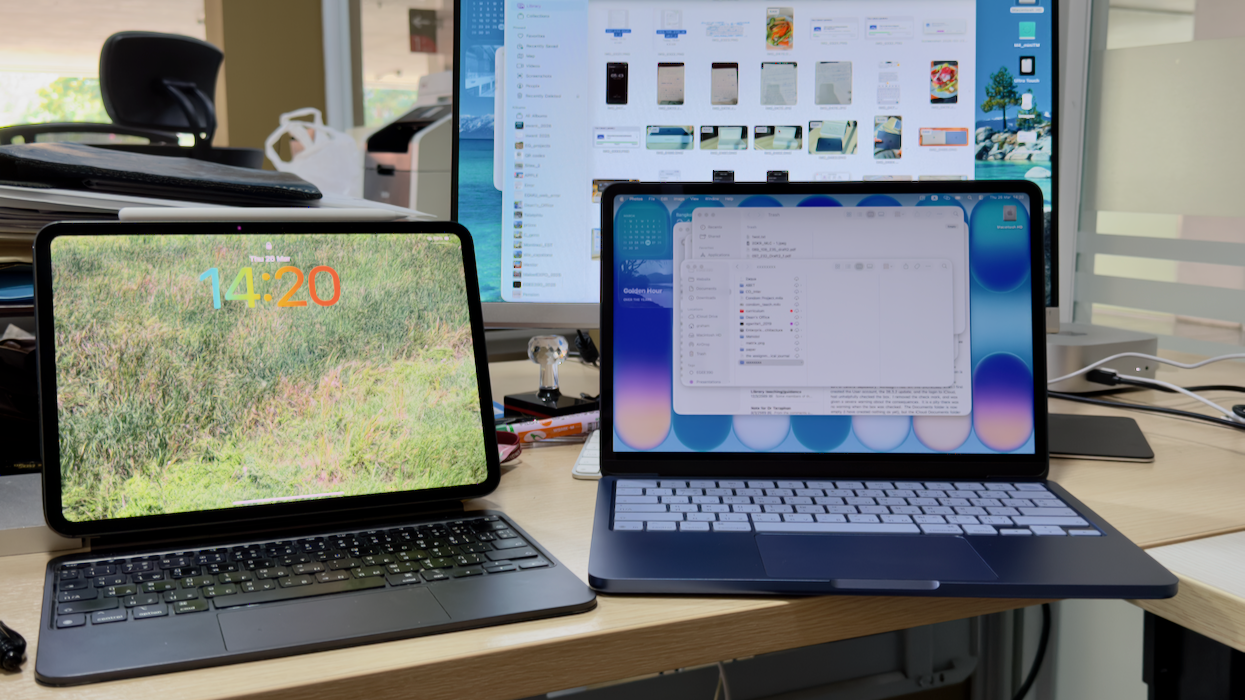
Buying the M4 iPad Pro was a little different. I had ordered the 11" M1 iPad Pro when it came out in 2021 as a replacement for the A-series version I had been using. I did not upgrade when the M2 version arrived, but was ready to do this in May 2024 when I was expecting a new iPad Pro with the M3 chip. A few days before this came out, a rumor online suggested that Apple would instead be using the M4 chip. I was more than pleased when this turned out to be the case. The money was already earmarked and I placed my order as soon as it was available here. On the older iPad Pro I had a fairly worn folio case. Because a keyboard gave a real boost to efficiency on the iPad Pro, I intended to order a new one for the M4 version, but could not find this on the Thai store. Instead I went for the Magic Keyboard - a case/keyboard was essential for me - and, although this was more expensive, I have no regrets. The more rigid construction, plus the trackpad, makes work much easier. I also added the Apple Pencil as this is essential for when I markup papers (not rewrite).
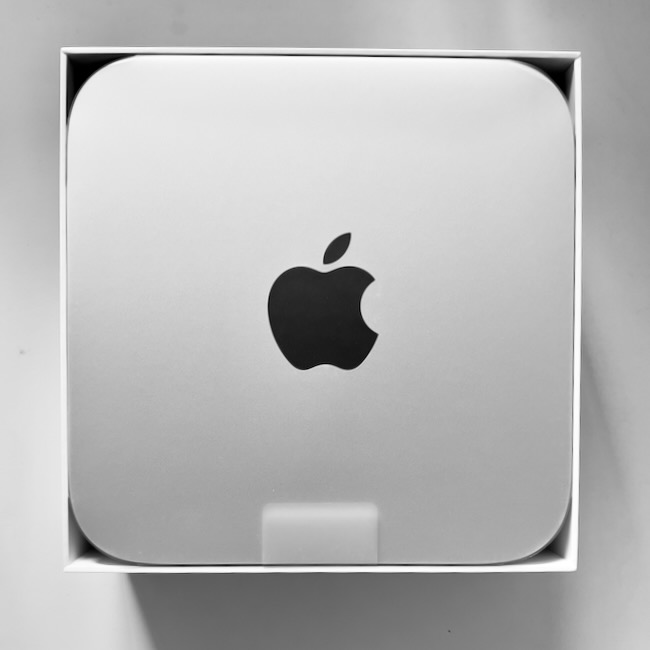
I had updated the Mac mini in November 2022 when Ventura was released as my current device could not handle the latest version of macOS. This used the M1 chip and had also been released at the same time as the MacBook Pro. When the M4 Mac mini was announced in November 2024, that was a must have although it was not available here until 13 November. I placed my order 2 days later after some dithering and it arrived on 20th. As with every Mac mini I have ever owned or used, this just keeps going.
As each of these devices (above) appeared, I noted the significance of each one and the steps forward being made by each. They have all performed exceptionally well, including the M1 MacBook Pro that I still use daily. I also had good results from a MacBook Air: a quick replacement, needed when I broke the screen of my (Intel) MacBook Pro when moving to a new apartment. I cannot remember when I last had a new Mac that had problems. There have been problem Macs. The so-called Cube was particularly affected by heat: its design, despite being attractive, was the problem. The G4 processor developed a lot of heat. The G5 was worse. I had a G5 PowerMac on test for a short time and that was exceptional for the time, but the heat from the G5 chip made it unsuitable for a notebook computer accelerating Apple's move to Intel.
And now the MacBook Neo. It was clear with some of the iPhones and iPads that the chips used in these devices were powerful enough to run computers. The "What if" eventually turned into Apple silicon and each iteration of the chips, with ready to roll Macs takes such a large step forward that competitors have a hard time keeping up. And then, when they already had fast chips, Fusion Architecture joined two chips to make something that was super fast: Apple put server technology in a laptop (Om Malik). That "What if" came back however, as the chips in the iPhones of the last 5 years have also been powerful. Indeed, the MacBook Neo with its A-series chip is as fast as my M1 series MacBook Pro and benchmark tests have shown how close they are.
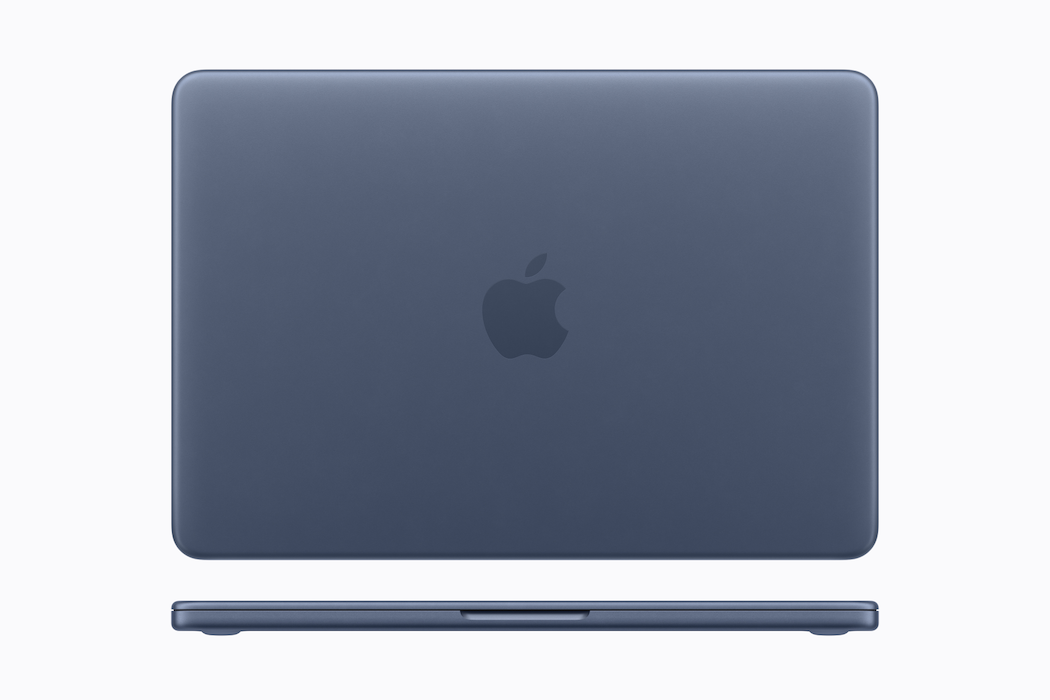
Having developed some fast chips, Apple used its know-how to use binned chips (restricted cores) in an aluminum body that doesn't just look like, but IS a Mac, and at such a reasonable price that makers of low end Windows computers were in a tail-spin. As soon as it was announced, I knew I had to have one. I decided on the more sober Indigo color. It took 3 weeks for orders in Thailand to open, but the 22,900 baht I paid (I wanted the larger 512 GB storage) was one of the easiest decisions I made this year. It does everything the MacBook Pro and the Mac mini are capable of. I was not at all surprised that others would find the same, and the way this took off, requiring Apple to order more, was not wholly surprising. Several commentators reported on the continuing story of its success in the last few days. That this still generates articles is a nod to how special it is.
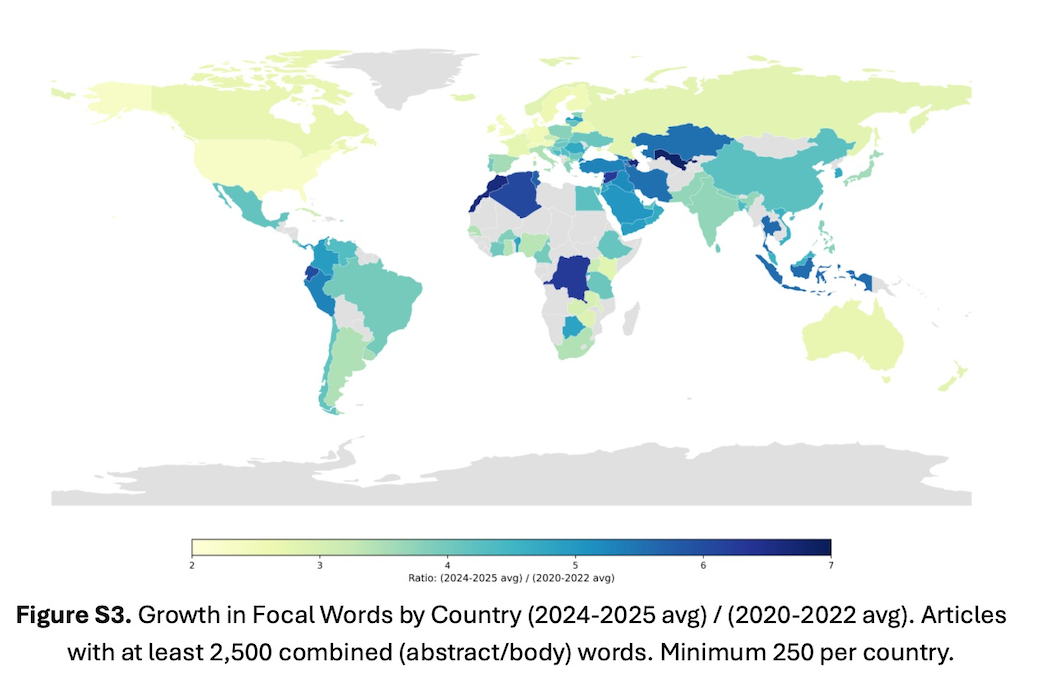
This week on X (Twitter), a post by Thoma Talhelm showed a world map with countries where use of AI in published articles has increased the most. I was not surprised to see Thailand featured as one of the high users, along with the rest of SE Asia. Many here see the arrival of AI writing tools as a magic spell. Writing is hard. It takes work and some do not see the value of that. They want a quick result, but miss out on the research and the learning that the task requires.
This week there were some comments on the movie, Dreams of Violets, that was shown at the Tribeca Festival. It relates important ideas concerning the recent public order problems in Iran (before the conflict), but its content was totally fabricated on a computer. Alex Cooke (Fstoppers) asks,"Does a synthetic feature compete against camera-made films or in its own category? Must it be disclosed as AI-generated so an audience knows what it is watching? Must its makers document what was generated, what tools and source materials were used, and whose likeness appears? Can it qualify for funding and distribution?" None of this is an argument that Dreams of Violets should not exist or should not be seen.
Also commenting on this, and interviewing one of the makers of the film is Cath Clark. As a note, Zeteo links to a Substack article by Maryam Jamshidi that throws considerable doubt on some of the sources that provided figures of 30,000 - 50,000 civilian deaths in Iran in the January protests. Although figures of around 30,000 are normally cited, that higher number comes from Reza Pahlavi, the son of the deposed Shah.
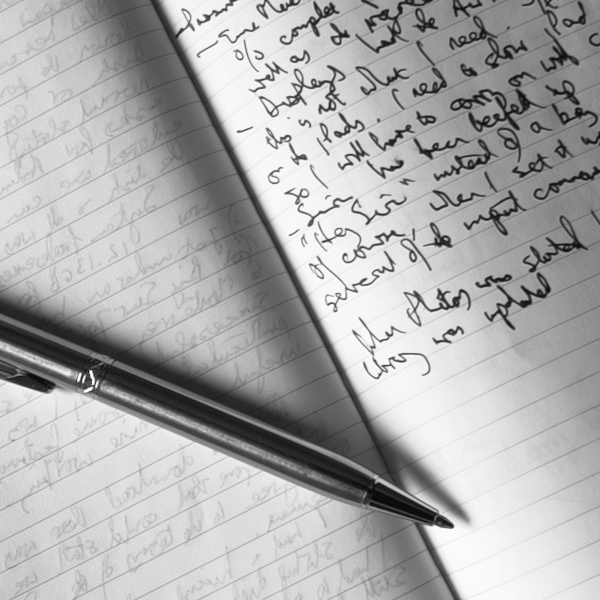 I discuss AI often and avoid its output as much as I can: some photo-editing tools for basic adjustments may use this, but if I do not know this is the case (as with Apple's Clean Up that I avoid), I feel I can continue. I am fairly clear on avoiding AI with writing, although I have had the occasional look-see, and run screaming from the output. AI is known to be trained on the work of other people. In some cases, like medical imaging, there is an ethical need for comparison of (for example) x-rays to help speed up diagnosis. Potential problems are examined by a qualified medical expert.
This week, Josh Taylor (Guardian) reports on an article in the Sydney Morning Herald "urging students to avoid using tech to 'cut corners'" by an academic from Western Sydney University, that was withdrawn by the newspaper after it was found to have been written using AI. The University, however, says her use of AI was "appropriate". Here is the problem: "To write her opinion article, Prof. Ellis uploaded 40,000 words of her own original materials, from a decade of work, into a Copilot Large Language Model (LLM)." The AI condensed her ideas and thinking and out popped the article.
Anyone who writes their own content, particularly academics, will normally agonize over the ways to express the ideas, the words to use, avoiding repetitions. And once the text is complete, the writer will work just as hard to check, improve and find those errors that always creep in. The idea that I could upload all my writing, press a key and would be rewarded with a condensed version of my ideas, is ethically unsound.
A few weeks ago I was intrigued by the announcement of new photo-editing features in beta versions of the popular application, Da Vinci Resolve 21. This is better known for its excellent features for editing movies, so the addition of photo access made me sit up. The only question I had concerned access to the Photos library on my Mac. I have rejected several editing suites that do not include that which is an essential part of my workflow. I am now able to find out as Kate Garibaldi (PetaPixel) reports the latest version of the software is now available in a fairly extensive outline of the application. As before this is free for most users. Those who require pro features like "additional AI features, editing beyond 4K resolution, and full-res photo exports" can buy Da Vinci Resolve 21 Studio for a fairly reasonable $295.
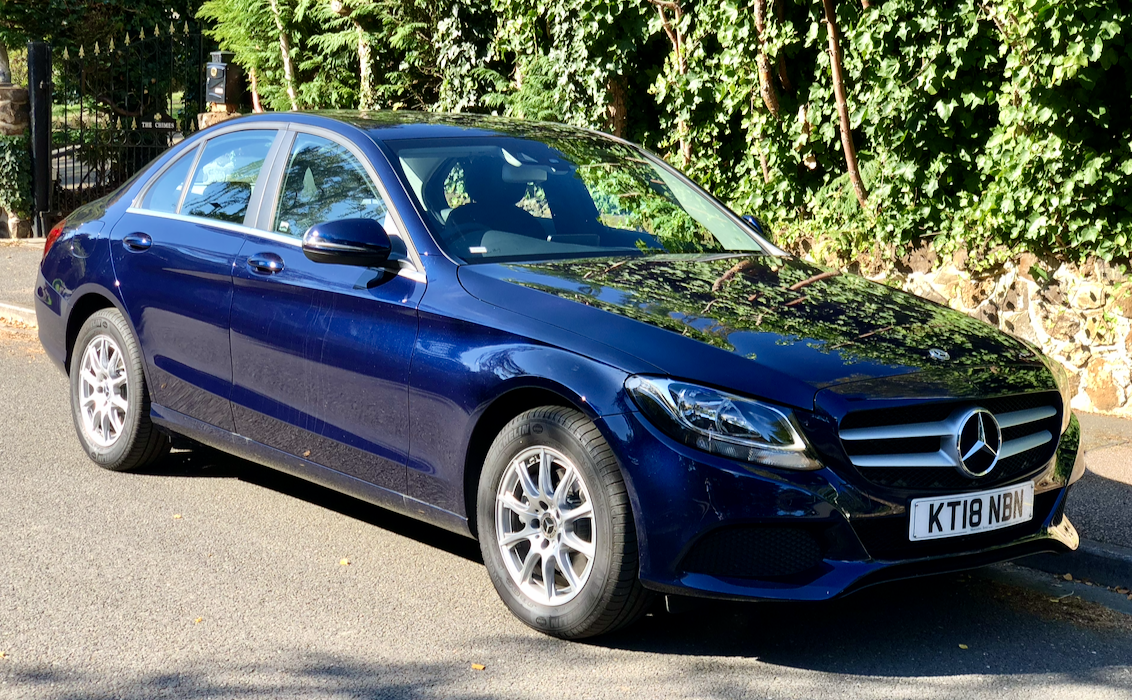
One of my early inspirations was to be found in the Sunday Express motoring column. I cannot confirm, but it may well have been David Benson. Whoever wrote these columns, they were a delight to read as they usually began with a tale that seemed almost random: an event, a meeting, a surprise. Somehow, the writer always managed to weave the narrative into a link that introduced the car of the week. Other writers I admired included L. J. K. Setright for his columns (then) in Car magazine; William Connors who wrote a column in the Daily Mirror under the name Cassandra. I use this too. Cassandra was a daughter of Priam, King of Troy. She warned about the horse left by the Greeks outside Troy, who had the gift of prophecy from the gods, but also the gift that no one would believe her); and Denis Jenkinson, the cantankerous Motor Sport columnist who reported on Formula One.
Jenks had partnered Stirling Moss in a Mercedes-Benz when they won the Mille Miglia (Jenkinson devised a system with warnings of road hazards that he unrolled as the race progressed which was used for many years by rally drivers). The report on that race which Motor Sport put out as a special was a delight to read. He had also been world sidecar champion in 1949. He hated the way safety concerns were (in his opinion) damaging Grand Prix racing, calling Jackie Stewart a "beady-eyed little Scot", and he hated policemen too because he loved speed. In his review of the new Jaguar XJ6 his comment that some will only be able to drive this if they join the police, pushed me towards that career. When I finally did drive the XJ6, I hated it.
And Jeremy Clarkson. Once the team leader at Top Gear, his frustrations saw him dismissed from the show and the whole team made a valiant attempt to repeat the magic over at Amazon. His politics do not always endear him to everyone, but as Stuart Heritage (Guardian) notes in a review of Clarkson's Farm, series 5, is that despite his multiple faults, "Clarkson is such an effective communicator that you find yourself swept up in his interests". It is a delight to listen to some of his car reviews on YouTube. They are beautifully scripted, and Clarkson presents them so well.
Graham K. Rogers teaches at the Faculty of Engineering, Mahidol University in Thailand. He wrote in the Bangkok Post, Database supplement on IT subjects. For the last seven years of Database he wrote a column on Apple and Macs. After 3 years writing a column in the Life supplement, he is now no longer associated with the Bangkok Post. He can be followed on X (@extensions_th). The RSS feed for the articles is http://www.extensions.in.th/ext_link.xml - copy and paste into your feed reader. No AI was used in writing this item.

For further information, e-mail to
Back to eXtensions
Back to Home Page