7 September 2026
By Graham K. Rogers
This week we expect new iPhones, probably a new Apple Watch and maybe more. CEO John Ternus is expected to take the helm. Silo series 3 ended with a bang. Series 4 arrives next July. Vision Pro has had a lot of bad press, but in medical scenarios continues to shine. New software was used with the device in hip surgery. Some Chinese routers may phone home. I use a Bluetooth-connected bottle to monitor water intake, but this week lost an important component. I found an updated version in Bangkok and now use that.
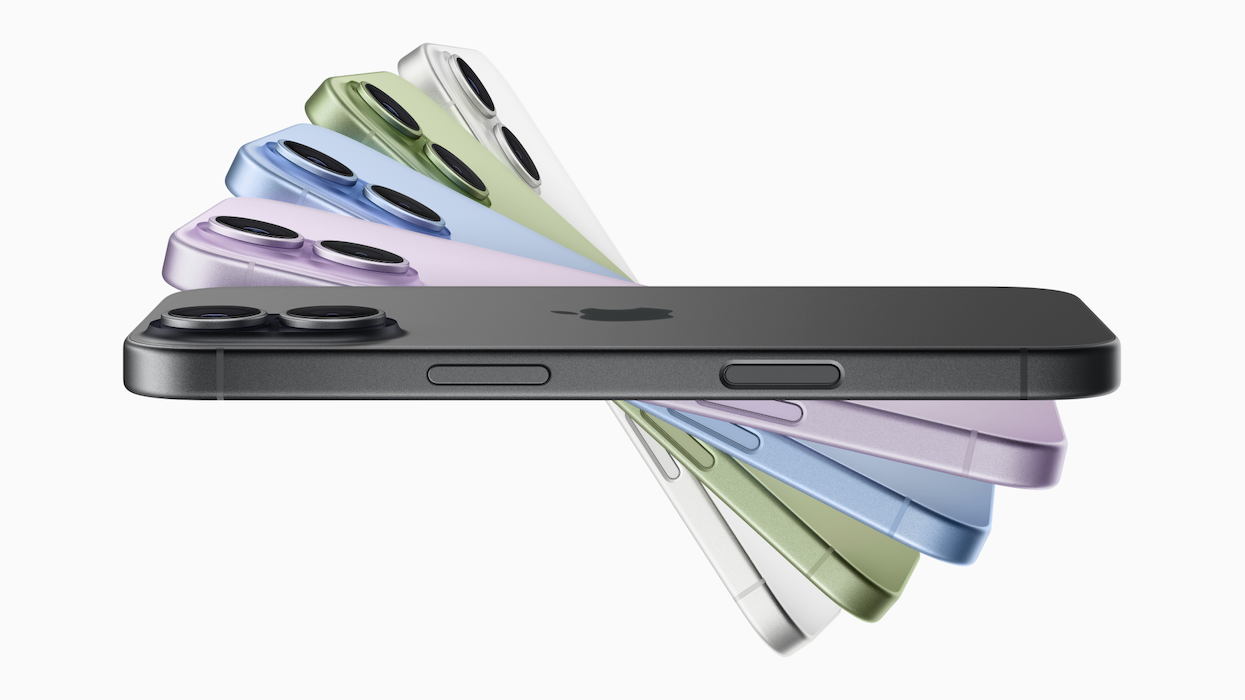
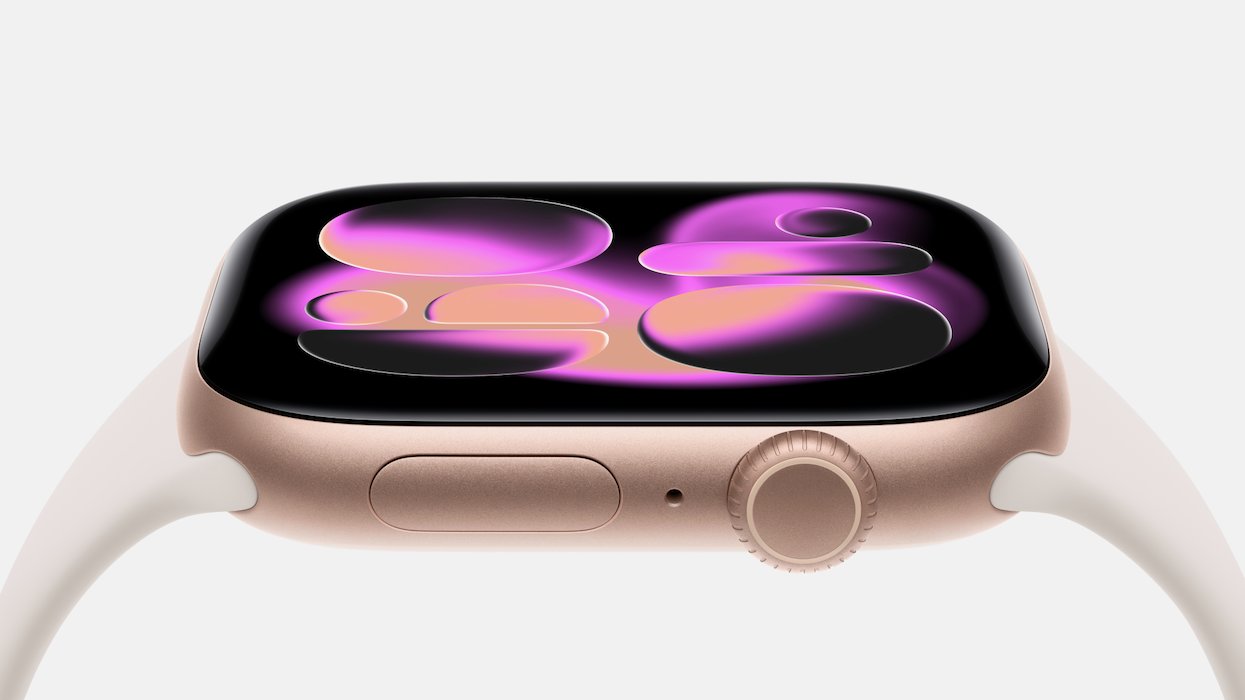
In a couple of day's time, Apple will announce its latest iPhone and probably a new Apple Watch. There is some possibility that other new products may be announced. We will almost certainly be told during the event when the next versions of Apple's operating systems will be available. I expect this to be next Friday (18 September). The event is almost certainly to be led by new CEO, John Ternus. It is expected that Tim Cook will not be making an appearance (Malcolm Owen, AppleInsider), although I would not be surprised if he were in the audience. Equally, if he is not, that would be a clear sign that he is not looking over the shoulder of Ternus which could cramp his style.
|
|
Last Friday saw the final episode in Series 3 of Silo. From the opening minutes of this there were surprises. This continued all the way through. The ideas I had formed of some characters had to be revised. I had not expected that some of those who had been involved in the original establishment of the silos would still be alive in the same timeline as the Silo 18 residents whom we have come to know, so the use of cryogenics gave us some surprises. We did not see Per Stensen in this final episode, but he will reappear.
The ending suggested that those in Silo 18 are about to go on the offensive. That was confirmed by a trailer that appeared during the weekend, in which Juliette and others (including Stensen) are shown in Silo 1. The trailer also confirmed that Series 4 (the final series) will be available on 27 July next year. Since the trailer, there have also been a couple of short clips hinting at what is to come. It would hardly surprise me if Juliette was revealed to be a descendent of Daniel Keene (Ashley Zuckerman) now "Troy" - a name with much additional meaning - and his partner, Helen Drew (Jessica Henwick). She was taken in to Silo 18 and was heavily pregnant at the time. That, is speculation on my part, but with the Series differing from the book in several ways, this would be a nice twist. It would be unusual for a character like Helen who was so important in Series 3 to disappear entirely. Helen, Troy? Who or what could the wooden horse be?
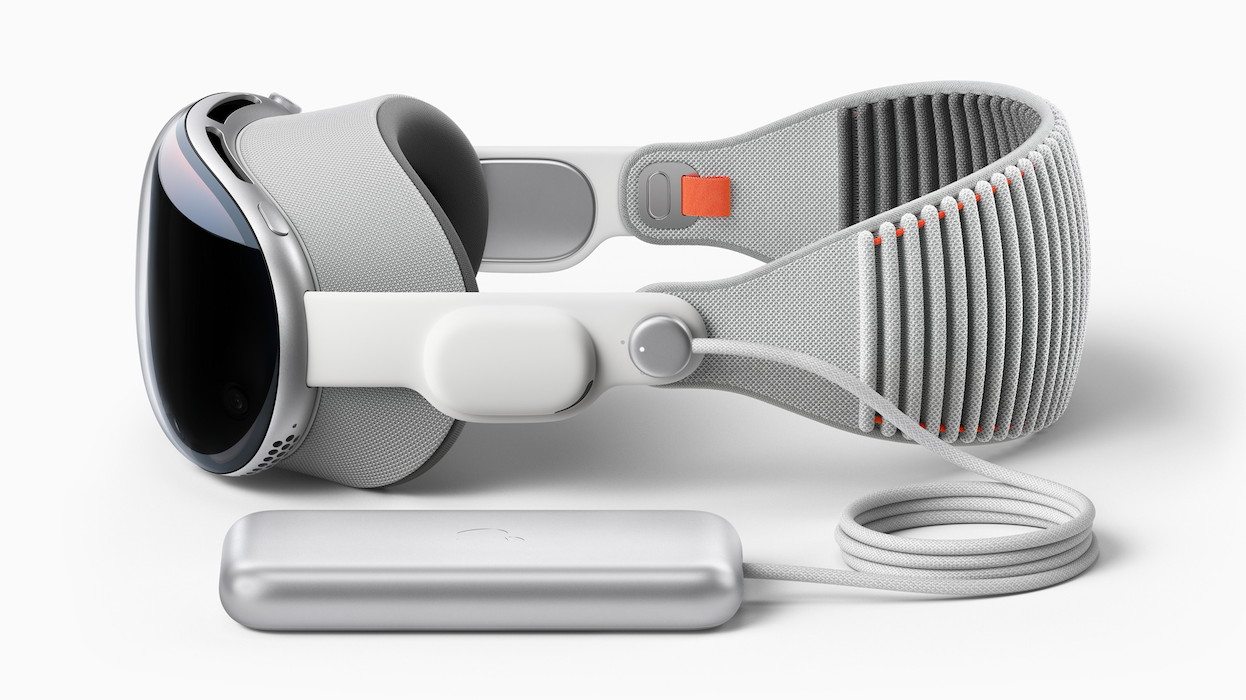
Apple's Vision Pro has seen heavy criticism since it was first announced, not least for the price. Like other projects, it has taken a while to come to fruition, but like those longterm projects - and I include Project Titan here - there are immense spin-off benefits in terms of patents and materials research. As in academic research, some of these may not see immediate use. As an example, some research on wireless transmissions and signalliing was done before electricity was available. An often-quoted example is the Hollywood starlet, Hedy Lamarr who came up with the idea for frequency hopping (IEEE).
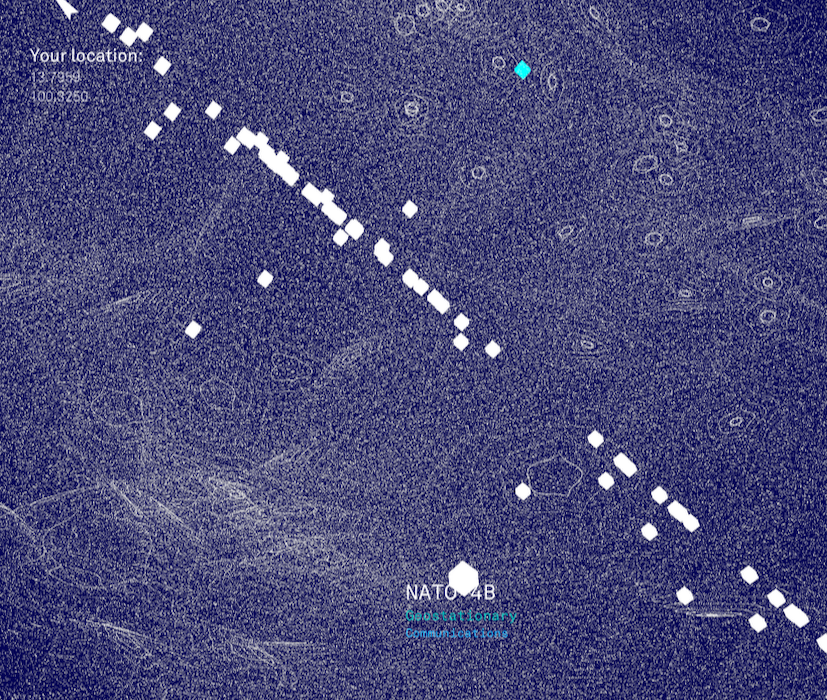 At about the same time, a radar engineer in the UK put forward the theory that a series of satellites, in geosynchronous orbit above the equator could cover transmissions over the entire planet (see screenshot from Architecture of Radio app at right). This came to be known as the Clarke Belt (MIT). Arthur C. Clarke was perhaps more famous later for 2001: A Space Odyssey. Stanley Kubrik's 1968 movie of this work, developed from a short story by Clarke (The Sentinel), in which humanity is is challenged by AI, changed the way in which science fiction was depicted. As we noted recently with Silo, the original story was changed, with the full approval of the author.
We have seen a number of ways that the Apple Vision Pro has been used in surgery: gastric bypass surgery in 2024 (William Gallagher, AppleInsider); and more recently in endoscopic procedures (Michael Simon, MacWorld). In both cases, the use of the device was beneficial for the surgeons in a number of ways including data access, and reduced neck strain from not having to keep looking at elevated 4K displays.
It is now reported that surgeons have used the Vision Pro successfully in hip arthroscopy at Duke Health. This is a process that can relieve pain in some situations in which there are hip problems. It is "minimally invasive, quick to perform and has a shorter recovery time". It is a simpler process than complete hip replacement (Cleveland Clinic). There are several reports online about this most recent use. Chance Miller (9to5Mac) writes that the operation used Striker's SportSuite Vision, which is a new app on the Vision Pro, that "brings critical digital content into a surgeon's visual space, allowing them to see physical objects in the OR alongside digital tools such as arthroscopic images, HipCheck, HipMap and CT imaging."
Although the Vision Pro has limited access at the consumer level due in part to its pricing, the technology has been well-proven in the surgical environment. While Apple has reduced the staff levels for the project in its current form, there is potential for expansion in the field of medicine. It is to be hoped that some of the technology developed for the Vision Pro could be used in other areas, like more consumer-friendly viewing devices, and for other industries where the user could benefit from such technology.
The first time I saw a modem demonstrated was in the library at Illinois State University in 1985. There was already a state-wide system that linked libraries by cables (a mini academic internet perhaps the precursor to Gopher). However, there was the question of conducting research for resources in other university systems. I was in a group of graduate students being introduced to library services who were shown a computer. A telephone with the normal mouth and ear pieces was alongside. The librarian demonstrated how it was possible to contact a distant university. He attached rubber cups to the phone handset (ear and mouth). Within a few seconds, the phone was dialing out, then some unusual sounds were heard and the computer screen began to display characters. We were linked to California: computer to computer. Analog sound converted to digital signals and back again. That is what a modem does: modulate-demodulate.
This was the first time I had seen an acoustic modem - any modem for that matter - and in the seconds that followed I had one of those rare "Wow!" moments. I realized that it was possible to connect a personal computer to another such device anywhere in the world. A few weeks later, I was teaching writing to undergraduate students with twin-floppy disk, Zenith PCs, running MS-DOS 2.4, on black/green character-based monitors running Wordstar. I learned a lot that year.
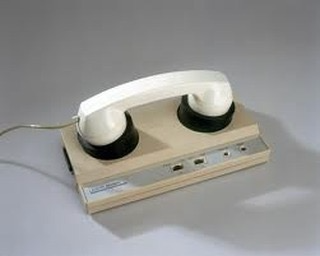
Not long after I came to Bangkok. At that time it was possible to buy a 2400 bps modem, although I switched later to a system called DataNet that had a 9600 bps connection using asynchronous technology, but users still needed a telephone line. I now have a fiber-optic link that carries data to and from my rooms at speeds of some 500 Mbps: over 1,500 times faster than that first demonstration. Now we connect our devices to WiFi that is delivered to the home or office (or even in the street) using internet provider (IP) routers and trust that it will work each time we connect, and that it will be secure.
As I am less sure that the local IPs are totally safe with their generic equipment, I link my own WiFi router to the base unit by ethernet cable. I currently use the Apple Airport and keep my fingers crossed that this will keep going until Apple comes to its senses and produces another equivalent device, or I find something equally suitable. I did try a Netgear WiFi 6 router for a few weeks - similarly connected to the IP router - but, despite suggestions from the device manufacturer helpline, I was never able to change from the default password. I reconnected the Airport and was back online in minutes.
Many of the routers that the local IPs use are made in China and there have been known to be security problems (why I favor the downstream connection). Recently, Zak Killian (Tom's Hardware) reported on routers produced by Shenzhen Zhibotong Electronics (ZBT) in Shenzhen. They outline how the firmware - an important distinction - in some routers that are produced by ZBT under a number of brand-names, allows the modem to phone home. Although this is intended for domestic use in China, the same insecurities, and other similar ones, have been found in a number of routers that are ZBT-produced. The article links to the researchers at VulnCheck who found the original firmware insecurities then went out and found other routers, on sale in non-Asian markets. Many of these were found with such phone-home features. Their detailed findings are worth examining.
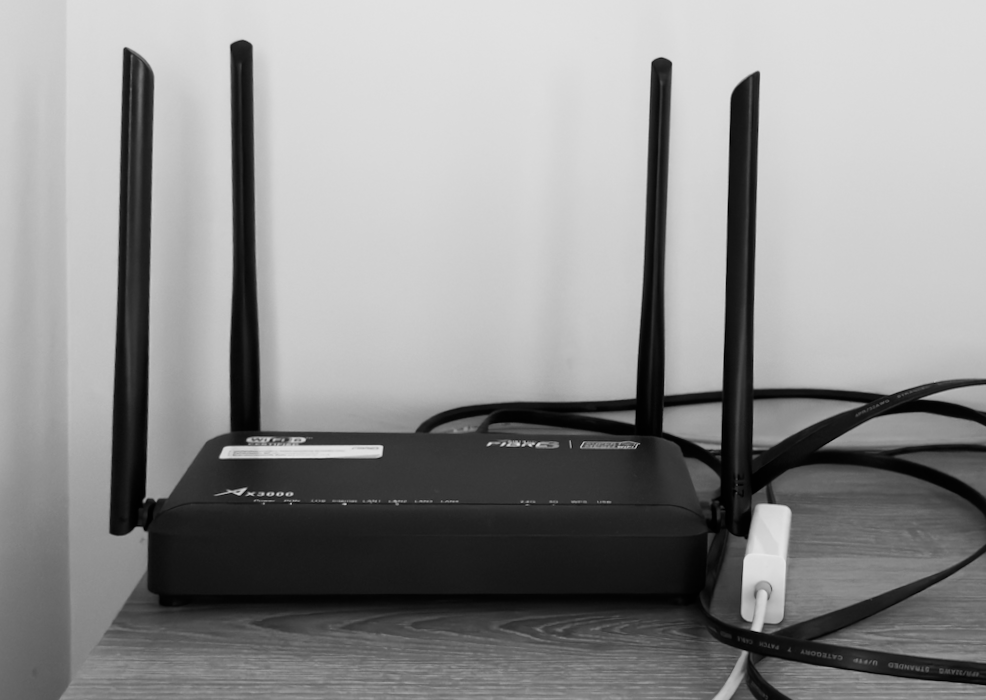
While I was reading the article by Zak Killian, I walked across the room and turned the IP-provided router over. It was branded ZTE but was also manufactured in Shenzen. VulnCheck notes of ZBT, "Mostly, it manufactures devices that other companies sell under different names." The article links also notes that ZBT does not manufacture some of the routers it sells, and that the company claims that the connections are "intended to assist customers with device troubleshooting and configuration". There is plenty of doubt here. The article lists a number of devices that were observed to have been affected. Mine was not shown, but I am not totally convinced.
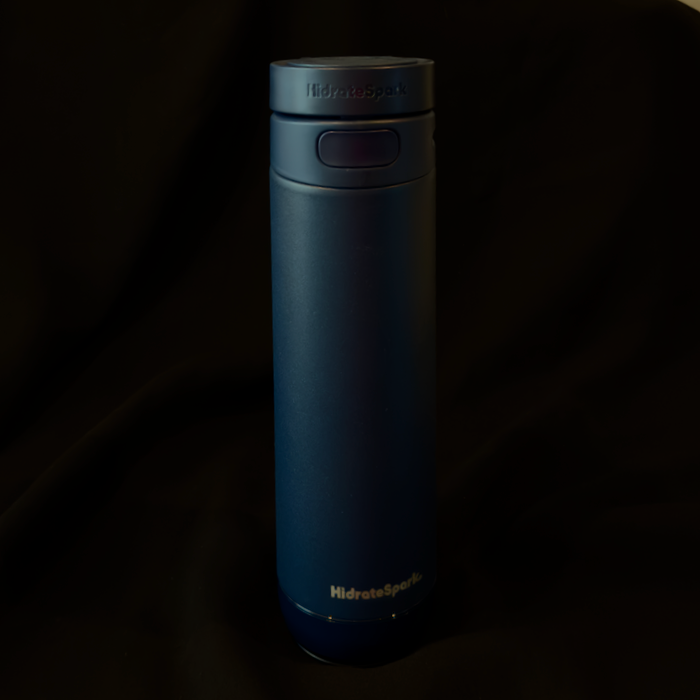
One of the many ways, I monitor my health is using a HidrateSpark water bottle, which allows me to record my water intake, and links to Apple health. A nice point is that if I do not drink for a while (for example while working), the app sends me a reminder. Some of the inputs I have to add manually, such as my morning coffee and afternoon tea, as well as the breakfast-time fruit juice.
I learned quickly the volume of liquid for each so I could enter some information manually. Over the course of some 4 years, I have been able to maintain an intake of between 2.2 and 2.5 L most days. This actually impressed the doctor who fixed my hips. Oddly, the information I wrote about this when I bought the bottle in 2022 has just appeared in the website statistics for this month.
About a year or more after buying the first bottle, there were problems with the power puck which links to the iPhone via Bluetooth after I dropped it. I bought another identical bottle. Both of these came from the online Apple Store and were delivered directly to my home. I had had no problems with the second bottle, until last week when I lost the puck. I checked in my bag and it was not there. When I went back to the office a day or so later, again, I was still unable to find it. It still hasn't turned up.
I made do for a couple of days, manually entering my consumption, but realized this wasn't really going work for me. Unfortunately, the HidrateSpark bottles are no longer shown on the Apple Store here. I had seen a similar HidrateSpark bottle for sale in one of the retail stores in Siam Paragon. That store is now full up with Lego. I walked a short distance to the iStudio in Siam Paragon and was delighted to see the same brand of bottle on the shelf shelves.
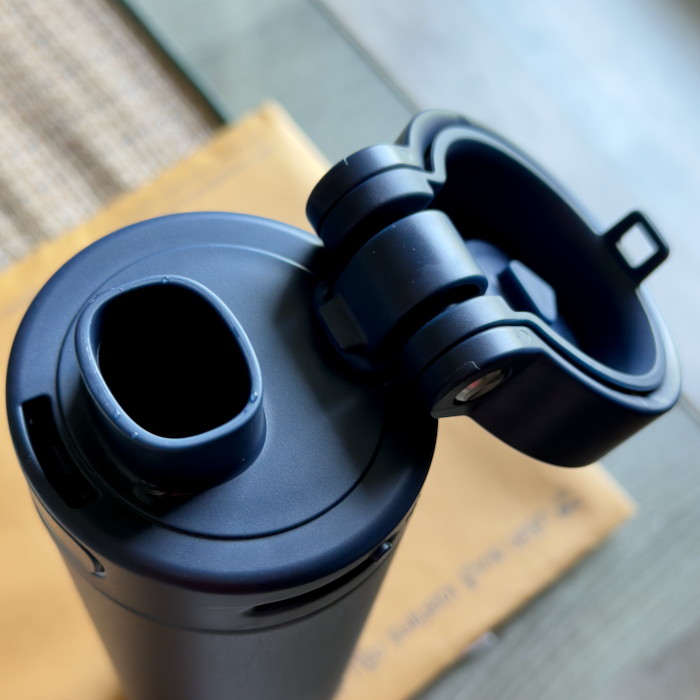
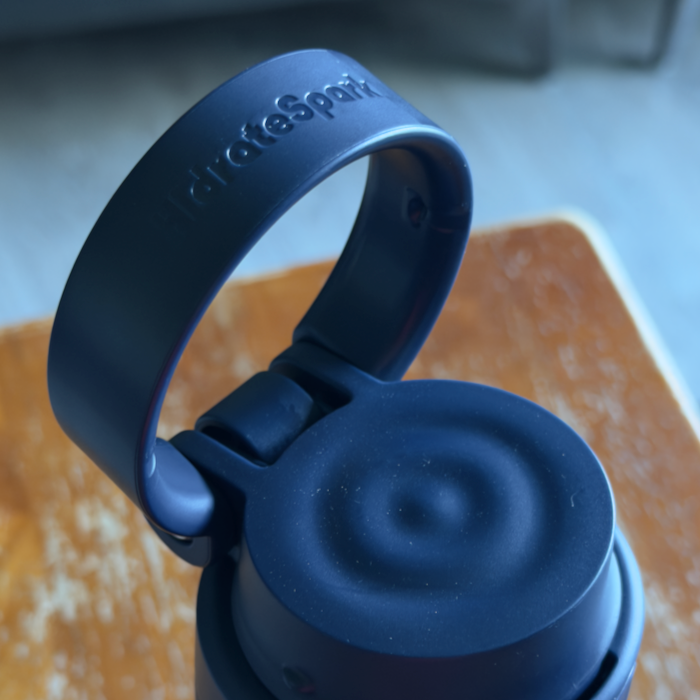
This has now been updated and is now the HidrateSpark Pro 2. I bought one the same size as my previous bottle (621 mL). The price was 2999 baht (I had paid 2390 baht including VAT when I bought the first bottle in 2022). A larger bottle (912 mL) was also available. The bottle had been re-profiled and the cap at the top had a complete redesign, with a more effective locking mechanism and a carrying ring that folds onto the cap rather than the fibre carrying strap of my previous device.
|
|
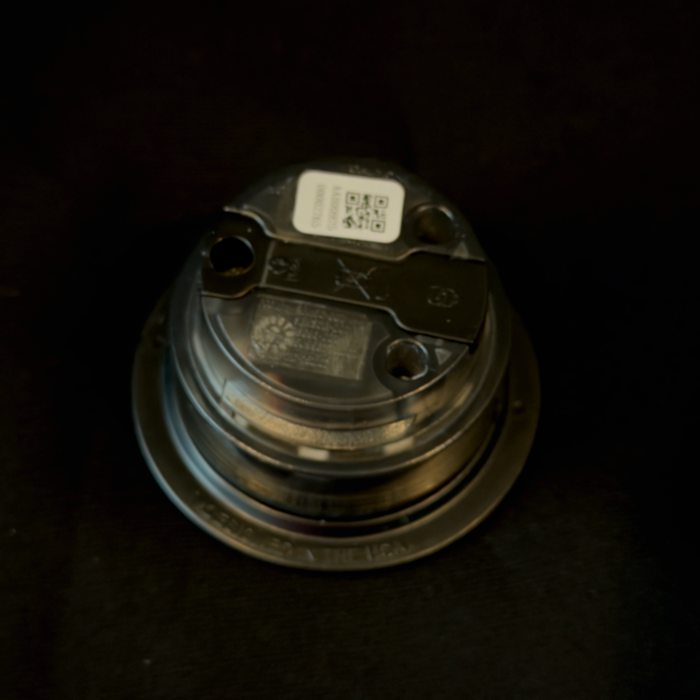
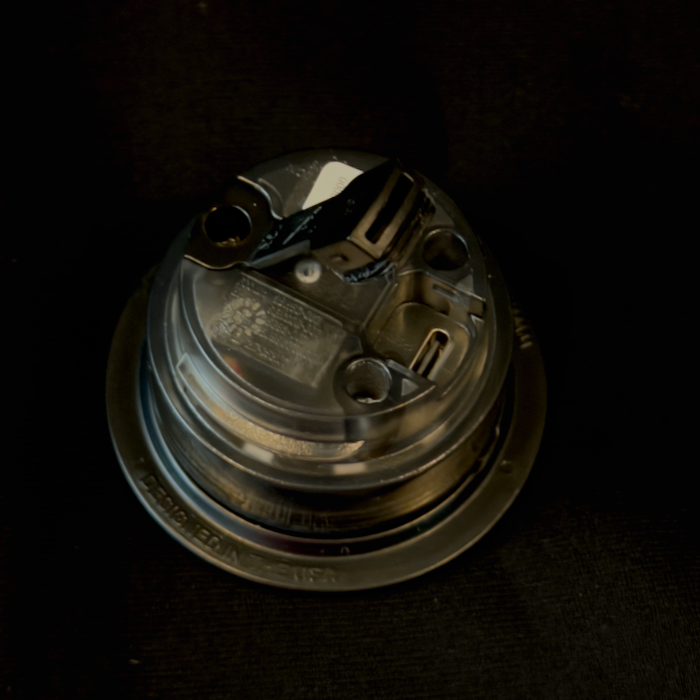
The puck at the bottom which measures weight differences and uses that input to calculate the amount of liquid used, has also been redesigned. Instead of the magnetic clip that connected to a USB A cable for charging, there was a USB-C port, and this was neatly concealed behind a black plastic hinge. The cable and minimal documentation were inside the bottle, so I gave that a rinse while I was charging the puck. I removed the current bottle from the app in readiness for linking to the new bottle and then began the process of adding the new bottle.
|
|
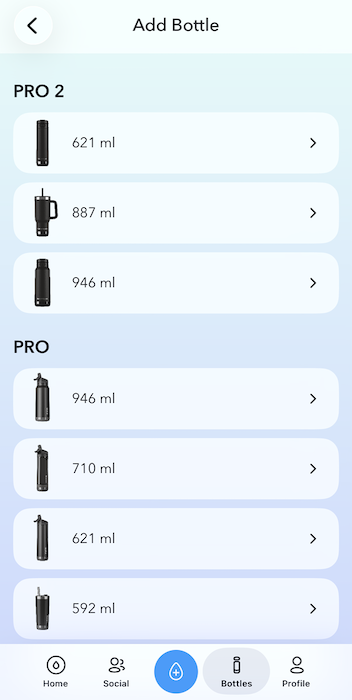
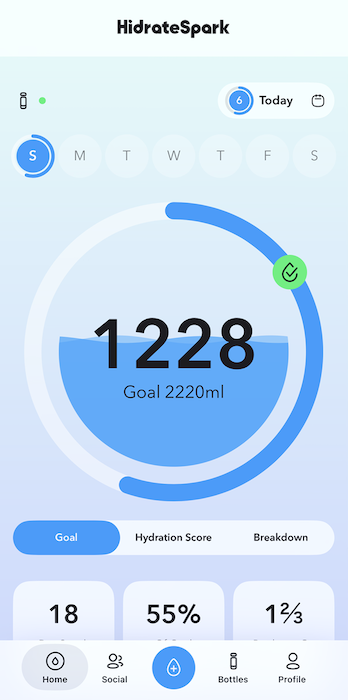
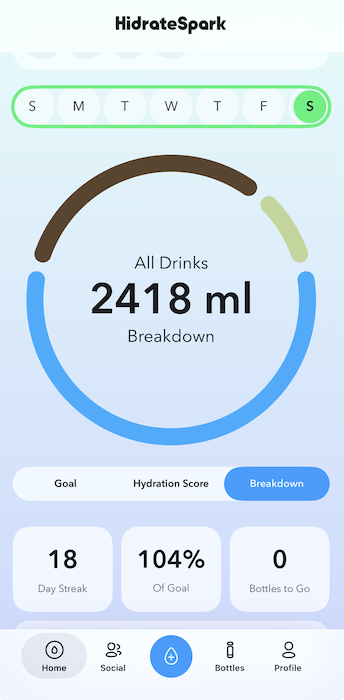
The HidrateSpark app had coincidentally been redesigned this week, with thicker lines on the circular indicator for water consumption progress, and a new part that fills the previously wasted space as the user drinks more. I prefer the previous minimalist design. On this Home page, there is also a panel that gives the actual liquid intake: coffee and tea register a lower figure than water when the app calculates liquid intake. The app guided me through the pairing, initial weighing, and calibration after filling with water. I note that the interface for selecting the type of bottle has been updated. When the calibration was complete, there was a firmware update which took around 3 minutes.
|
|
|
The changes in the app and the new bottle have not allowed me (thus far) to set the glow colors as easily as I had with the previous bottles, but the glow does work. However, when searching through the updated settings page, I found that it is now possible to add the HidrateSpark bottle to the Apple FindMy app. Again, the process was easy to follow in the bottle app. Kudos to the developers here. I wish I had had this last week.
In use, I find that the new bottle is slower to update the data on the iPhone and the Apple Watch. Bringing the iPhone closer to the bottle will usually make the data update in a second or two. While writing these last two sentences, I took a drink, and the iPhone - about 5 m away and on the other side of a wall - was updated instantly. Sometimes there is a delay When I checked again with another gulp, the glow was shown in just under 10 seconds. When I refilled the bottle, the glow appeared in a little over 10 seconds. This is about the same as with the earlier bottles, although once in a while the iPhone needs to be brought closer for a Bluetooth nudge. I have only had the new device for a couple of days at this point, but this need for proximity is more obvious than with my previous bottles.
Although the bottle now has a higher price here (US price, $79), the value to me is immense. As soon as I realised the old bottle would be unusable, I went looking for a new one. Used in conjunction with Apple Health (along with regular hospital checks and other daily inputs), this helps me monitor my overall condition. Water intake suggestions online differ, but my doctors are quite happy with my 2.2 to 2.5 litres each day in this climate. The HydrateSpark site shows the full range of products, including accessories and replacement parts (e.g. the puck at $49). The bottles are also available from a number of local sites online. I have no connection with the manufacturers of the HydrateSpark bottles.
Graham K. Rogers teaches at the Faculty of Engineering, Mahidol University in Thailand. He wrote in the Bangkok Post, Database supplement on IT subjects. For the last seven years of Database he wrote a column on Apple and Macs. After 3 years writing a column in the Life supplement, he is now no longer associated with the Bangkok Post. He can be followed on X (@extensions_th). The RSS feed for the articles is http://www.extensions.in.th/ext_link.xml - copy and paste into your feed reader. No AI was used in writing this item.

For further information, e-mail to
Back to eXtensions
Back to Home Page